Designing Systems for Human Collaboration
Redesigning Tencent Meeting to improve communication, accessibility, and system efficiency across devices
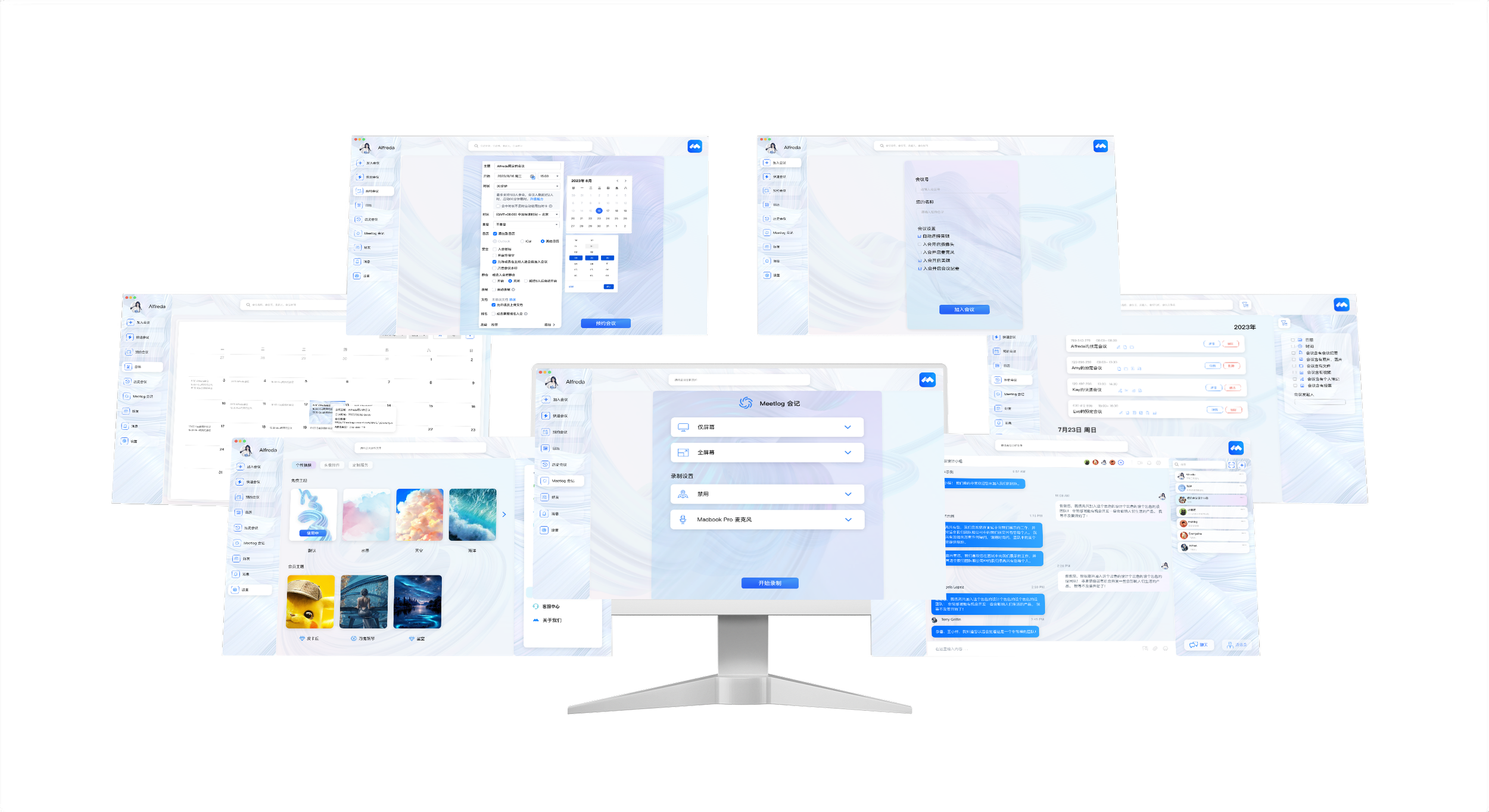
Problem
As remote collaboration becomes the norm, meeting platforms must handle increasing complexity. However, existing systems often fail to provide clarity and efficiency.
Key issues identified:
Low accuracy in real-time transcription
Difficulty accessing and managing meeting content
Limited multi-device flexibility
Inefficient file sharing and post-meeting workflows
Unclear interface structure and navigation
Insight
The core problem is not feature limitation—but system fragmentation.
Users are not struggling with meetings themselves,
but with:
unclear information structure
disconnected workflows
lack of feedback and continuity
Remote collaboration requires systems that are intuitive, continuous, and context-aware.
Solution
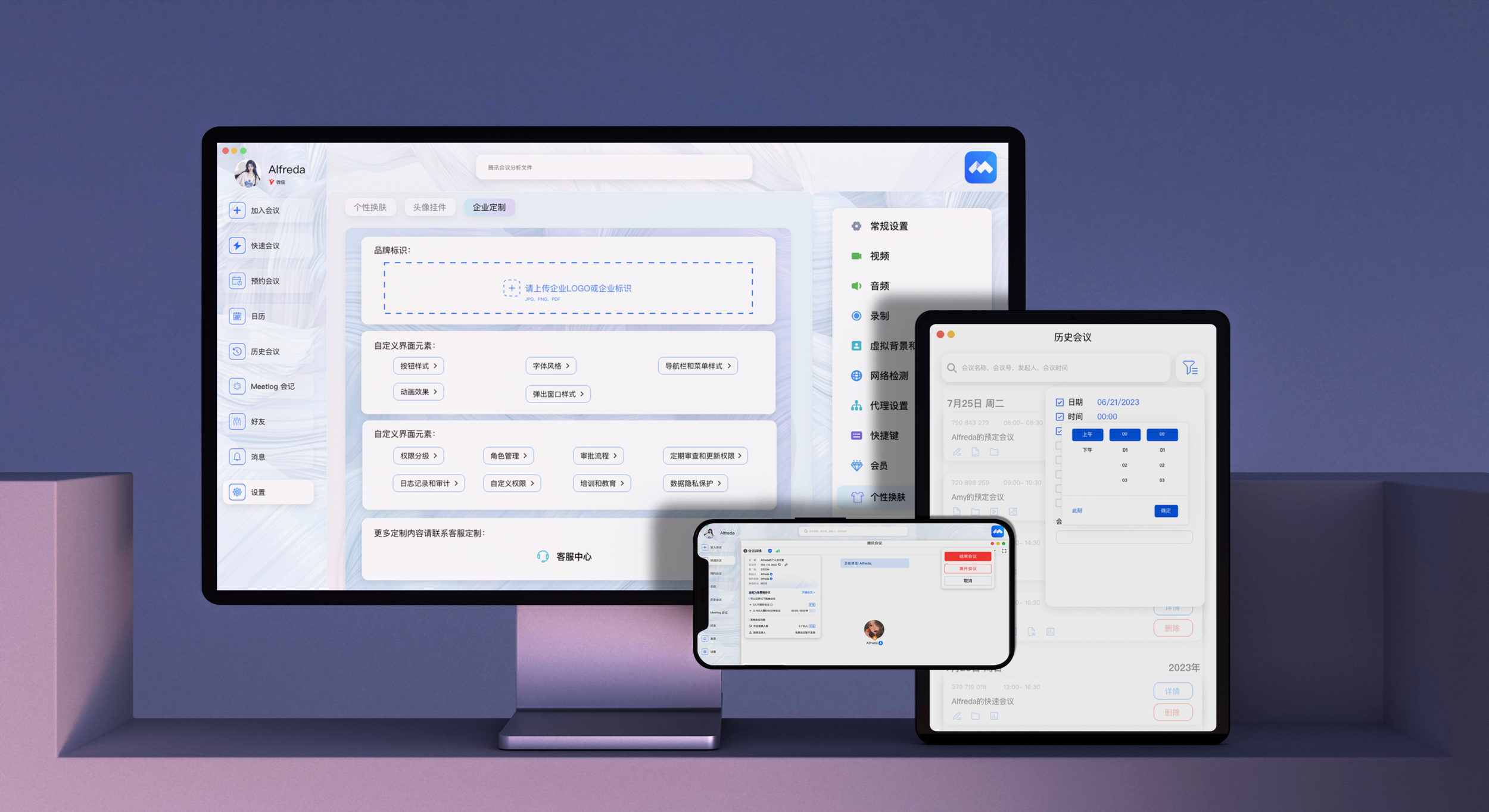
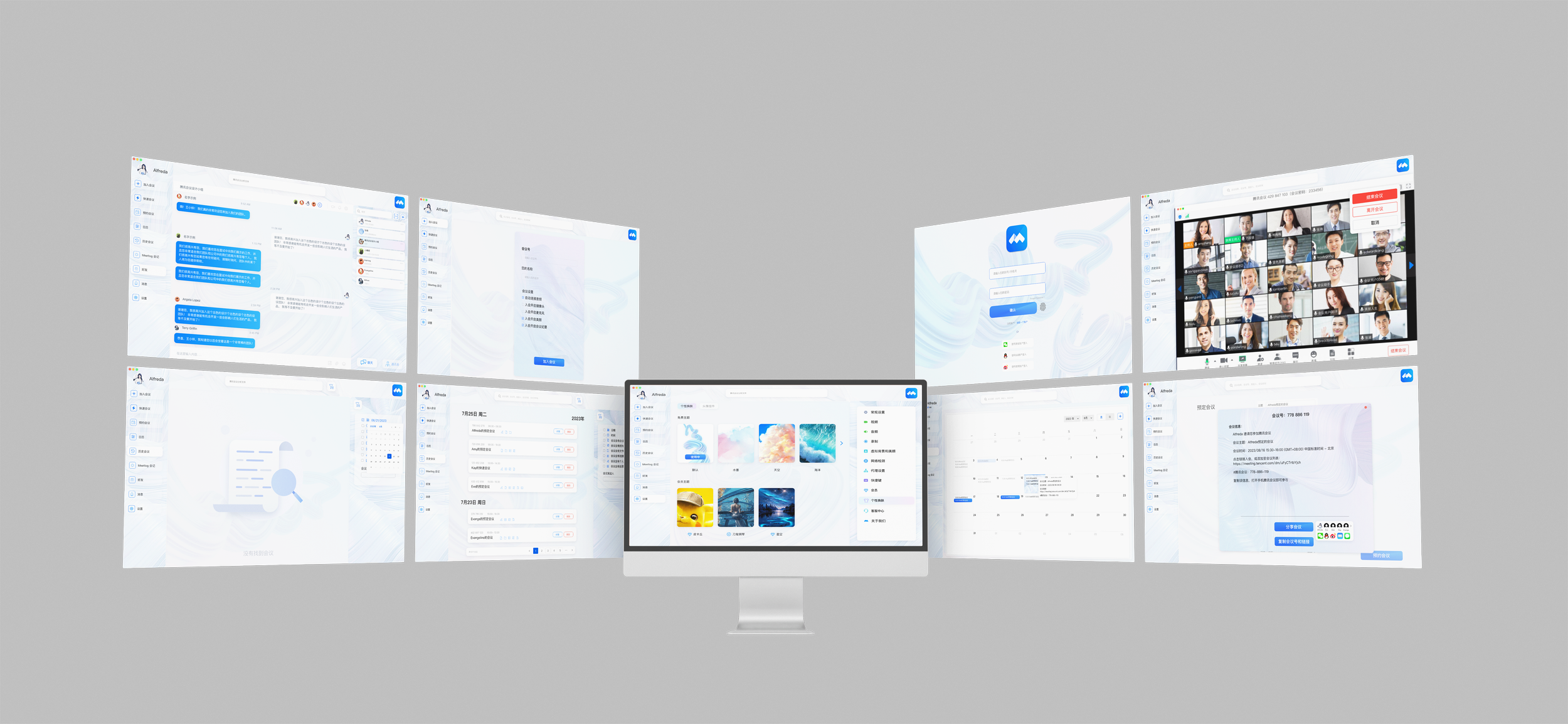
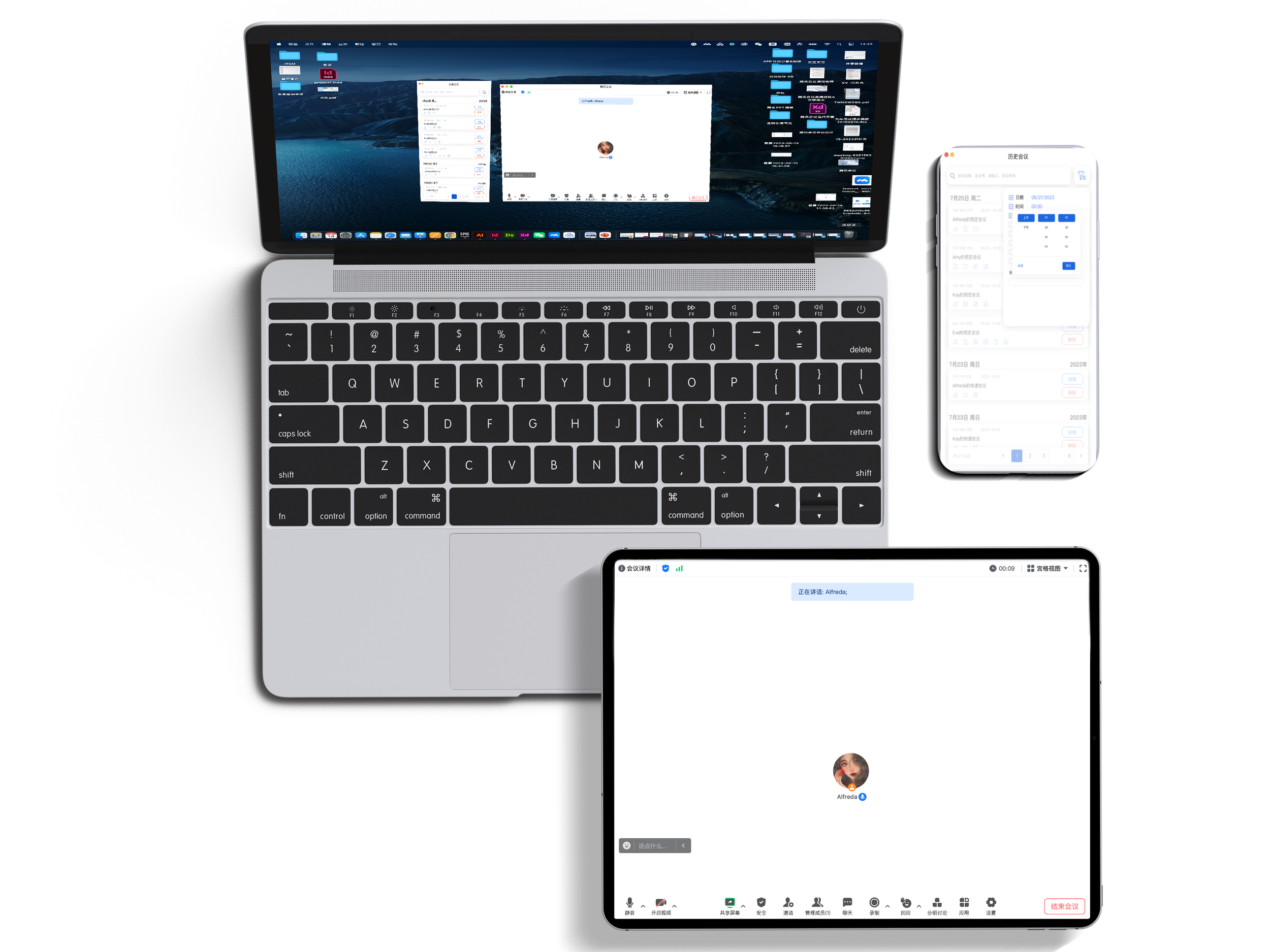
I redesigned Tencent Meeting as a more integrated and intelligent collaboration system.
Key solutions include:
Improved real-time transcription accuracy and accessibility
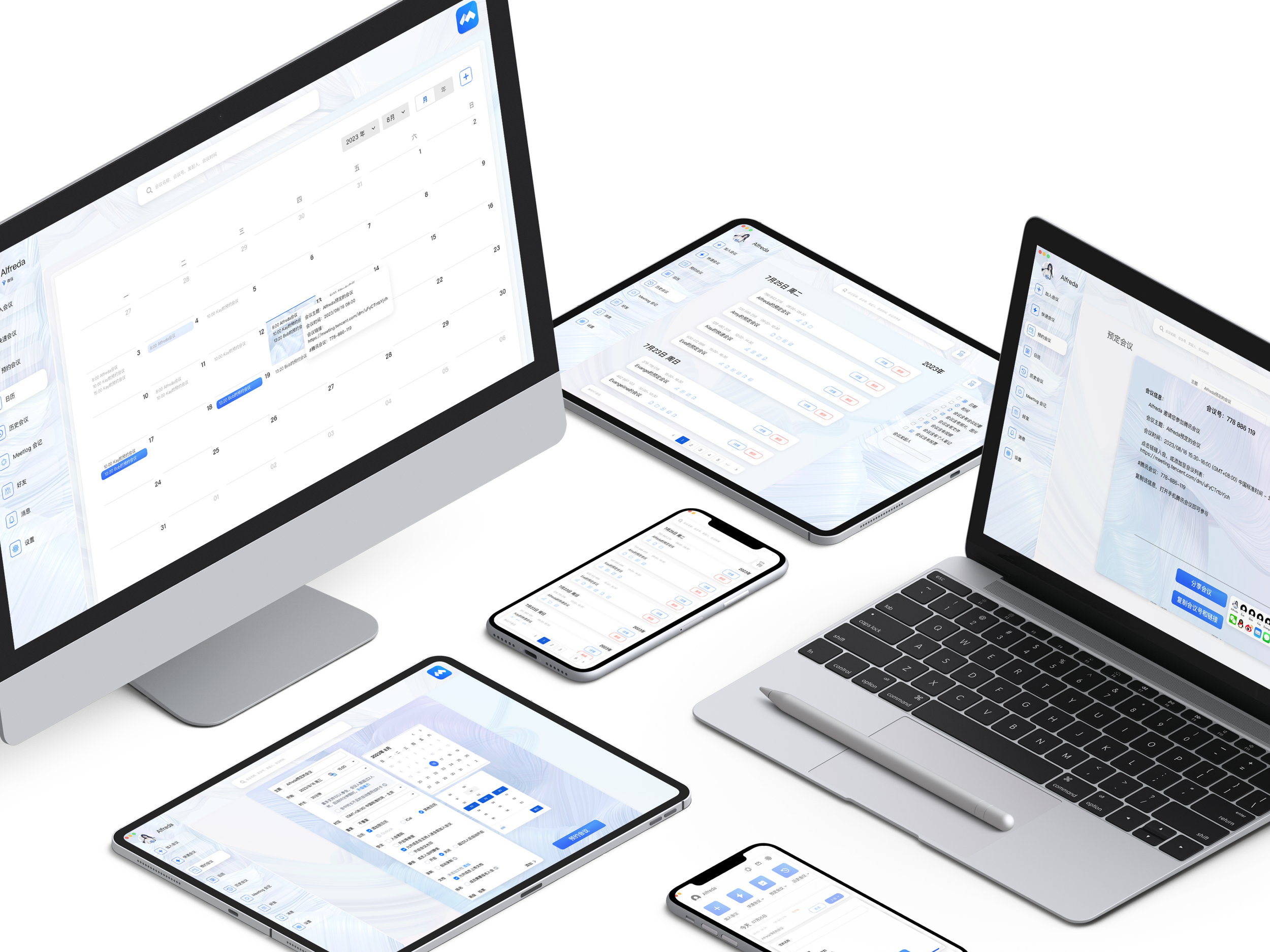
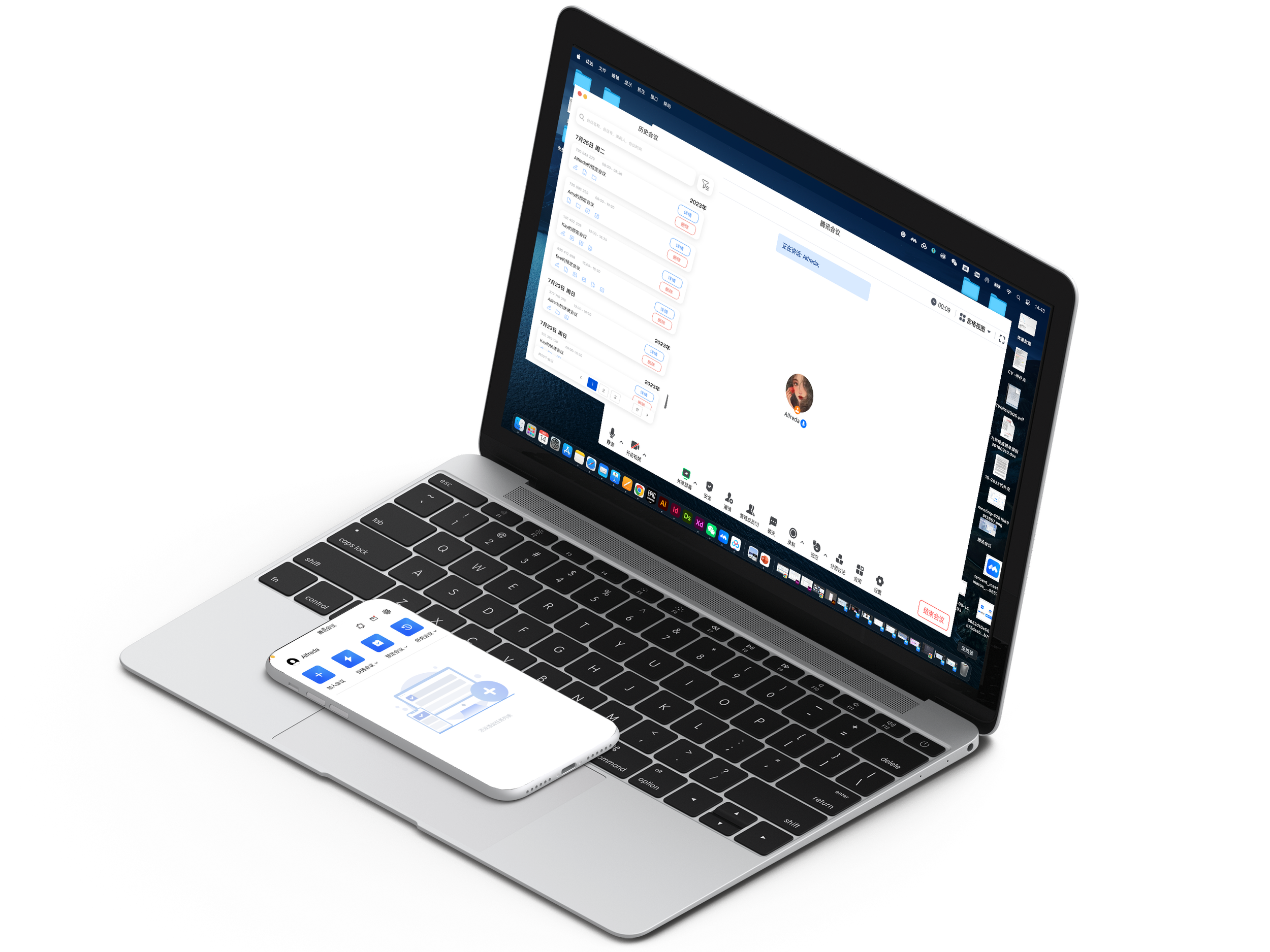
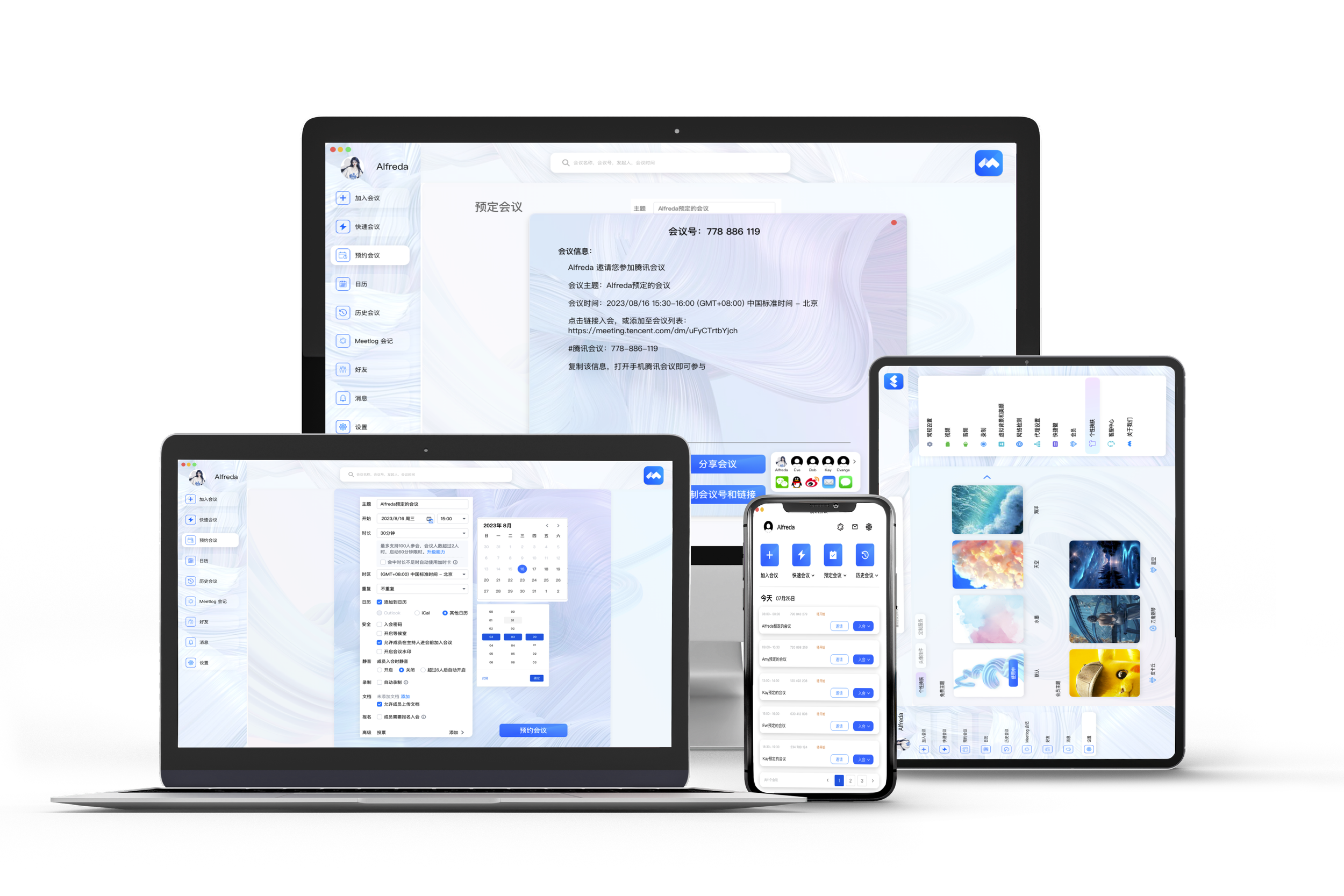
Multi-device login and seamless switching
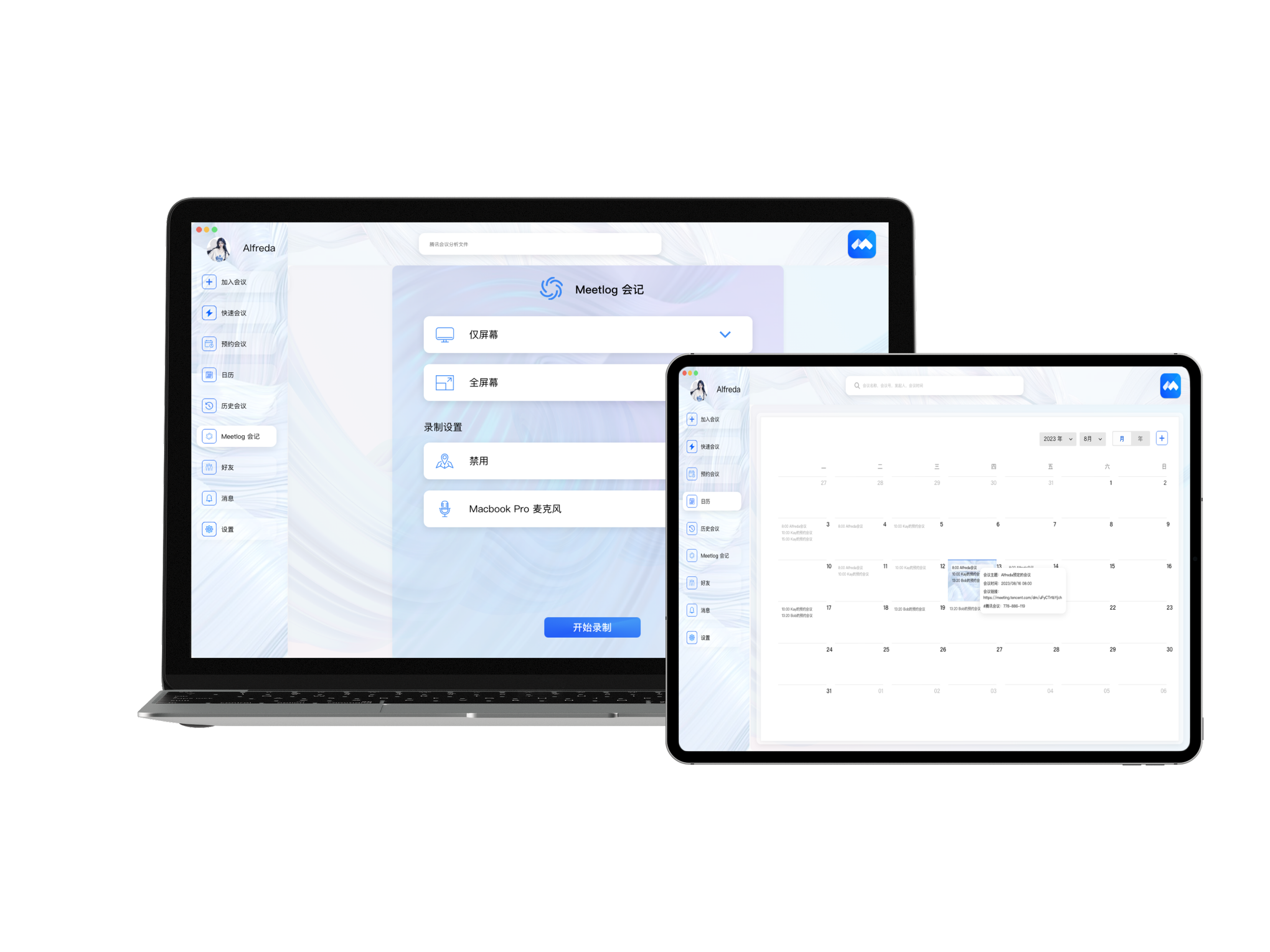
Intelligent meeting summaries and action extraction
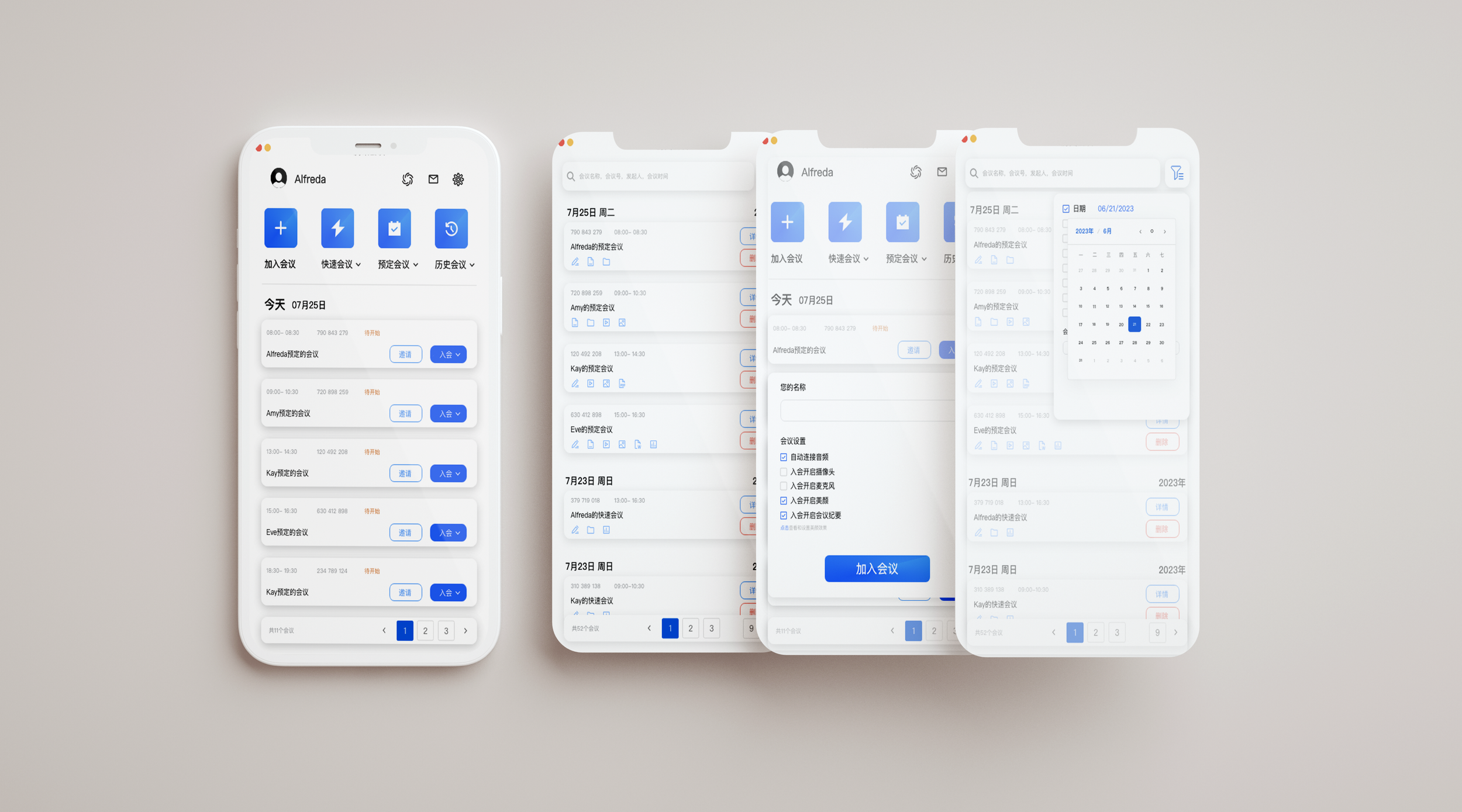
Enhanced meeting history with search, tagging, and filtering
Clear pre-meeting and post-meeting interaction flows
Optimized navigation and interface clarity
Process
This project followed a research-driven and system-oriented design process:
1. Research
Market and competitor analysis
User interviews and questionnaires
Identified key pain points and opportunities
2. Problem Definition
Synthesized usability issues
Identified system-level inefficiencies
Defined redesign goals
3. Design Strategy
Focus on clarity and efficiency
Improve information architecture
Integrate intelligent features
4. Iteration & Design
Low → high fidelity design
Multiple interface versions
Interaction flow optimization
5. System Thinking
Connected user needs with business model
Designed scalable features (enterprise, subscription, AI tools)
What I Learned
This project taught me that designing collaboration tools is fundamentally about designing systems, not screens.
Key learnings:
Clarity is more valuable than adding features
System consistency is critical across devices
AI features must enhance—not complicate—interaction
User experience is deeply tied to workflow continuity
I learned to think beyond UI and design for scalable, real-world systems.
