Temple of Rebirth
Designing for Shared Experience
Creating a cooperative immersive world where communication and trust become core mechanics
Problem
Most multiplayer experiences focus on competition or parallel play — but rarely design for meaningful collaboration.
Players often:
Act independently rather than interdependently
Lack incentives for communication
Do not experience true shared progress
The challenge is not building a game, but designing a system where cooperation becomes necessary and meaningful.
Insight
Collaboration does not emerge naturally — it must be designed.
True cooperation happens when:
information is incomplete
progress depends on others
players must communicate to understand the system
Solution
Temple of Rebirth is designed as a cooperative system where players must rely on each other to progress.
Key design strategies:
Information asymmetry: critical clues are distributed across different spaces
Shared objectives: players must collect elements and return them to a central hub
Interdependent mechanics: actions in one space affect another
Communication-driven gameplay: progress requires active collaboration
The system transforms communication into gameplay.
Key Experience
A typical player journey:
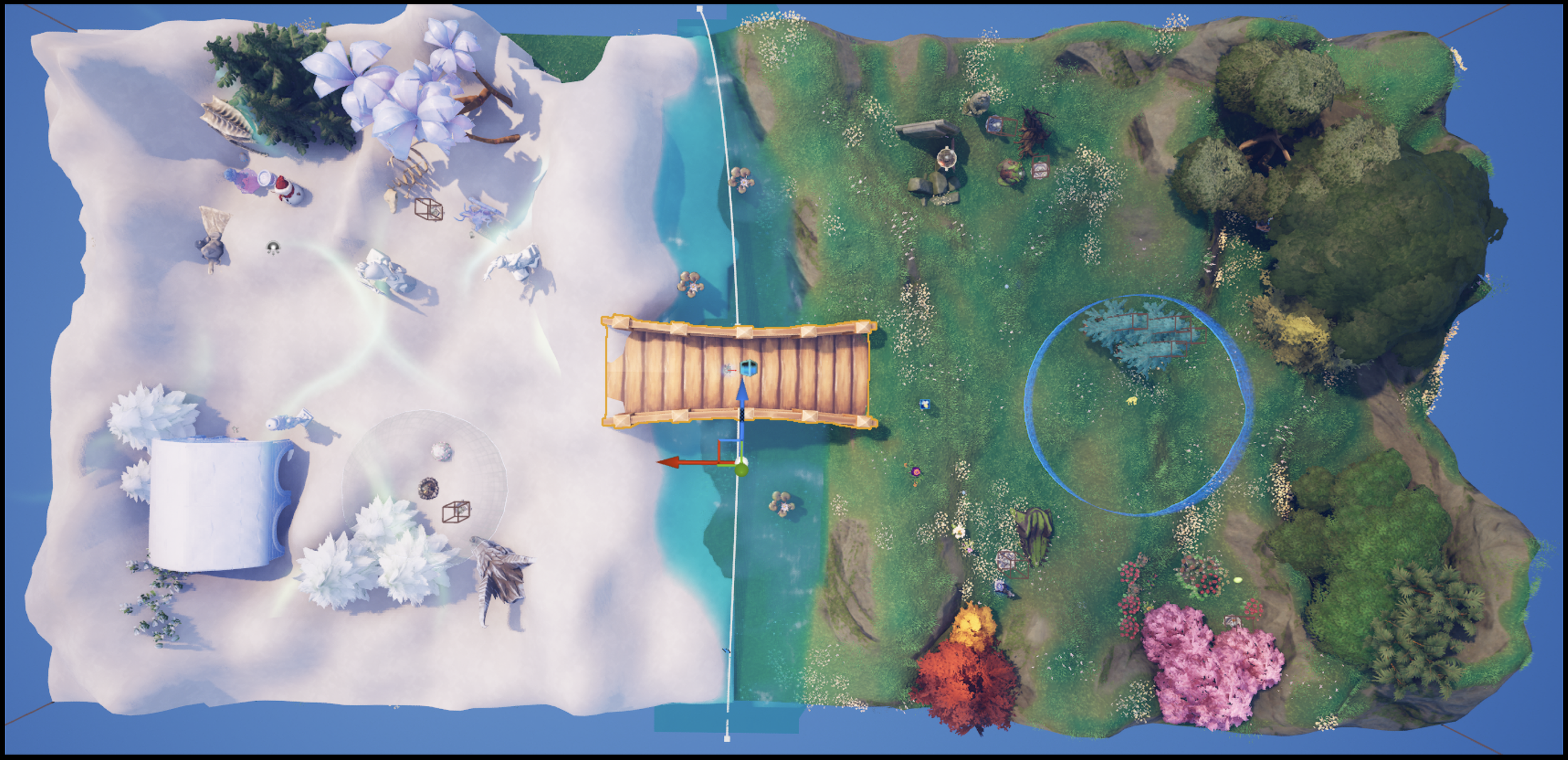
Players enter fragmented worlds through portals
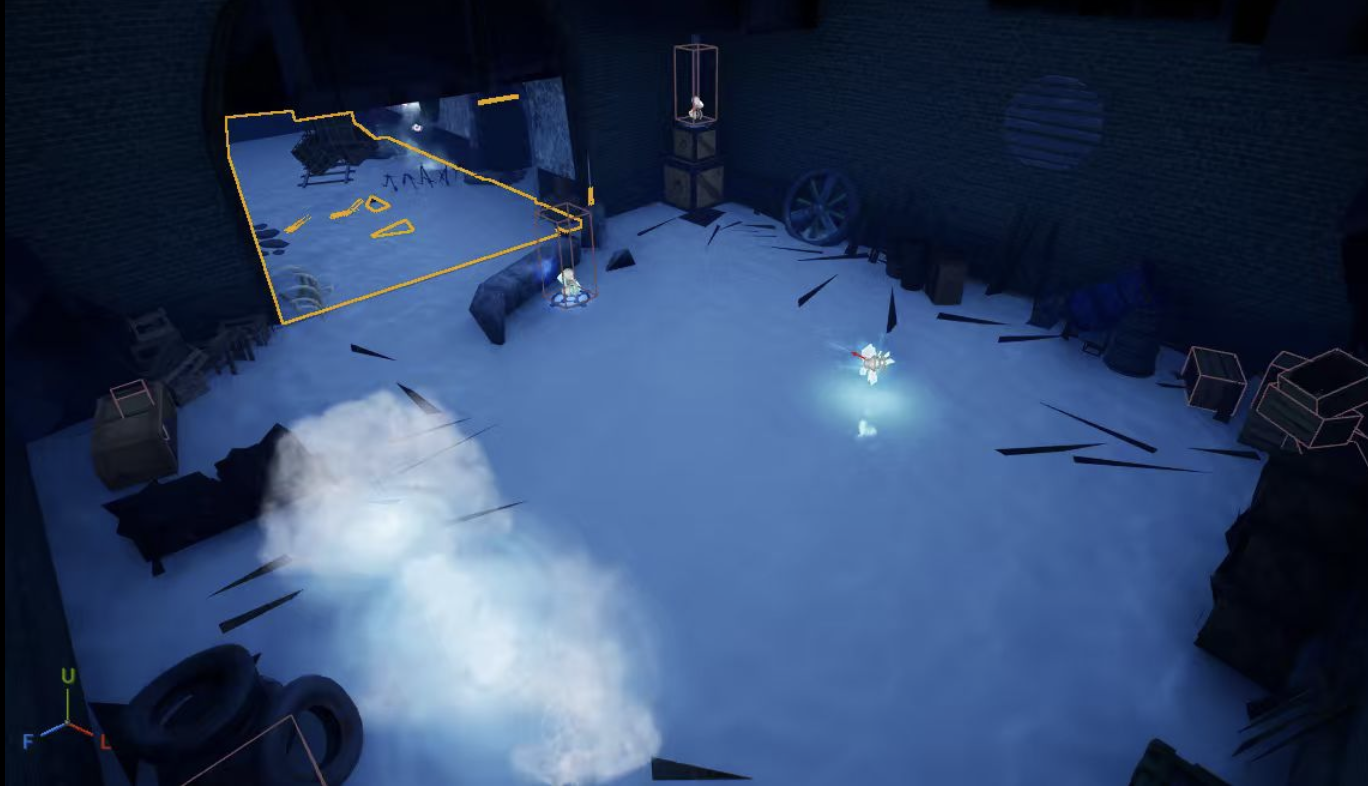
Each player explores a different environment
Critical information is distributed across players
Communication becomes necessary to solve puzzles
Elements are brought back to the central temple
The world is gradually reconstructed
System Design
The experience is structured around three core systems:
1. Spatial System
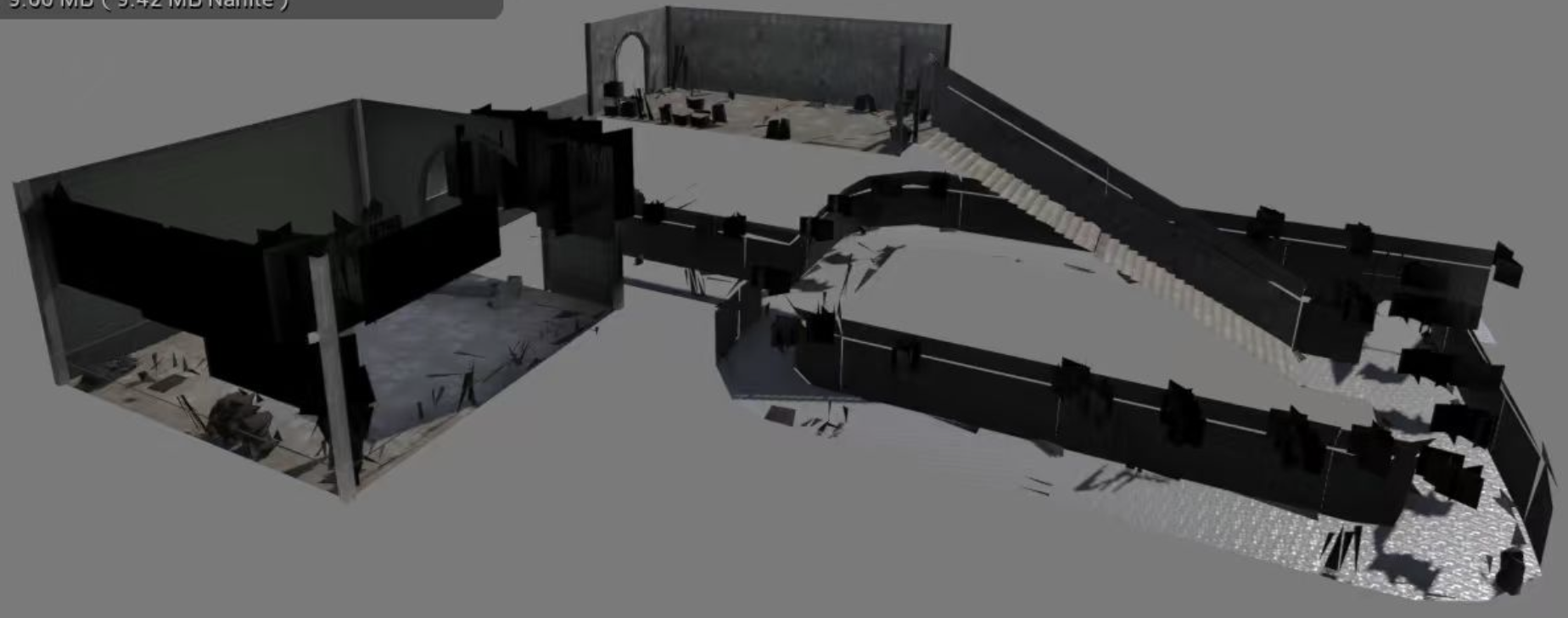
Portal-based branching environments
Parallel exploration with shared outcomes
2. Interaction System
Cooperative puzzle-solving
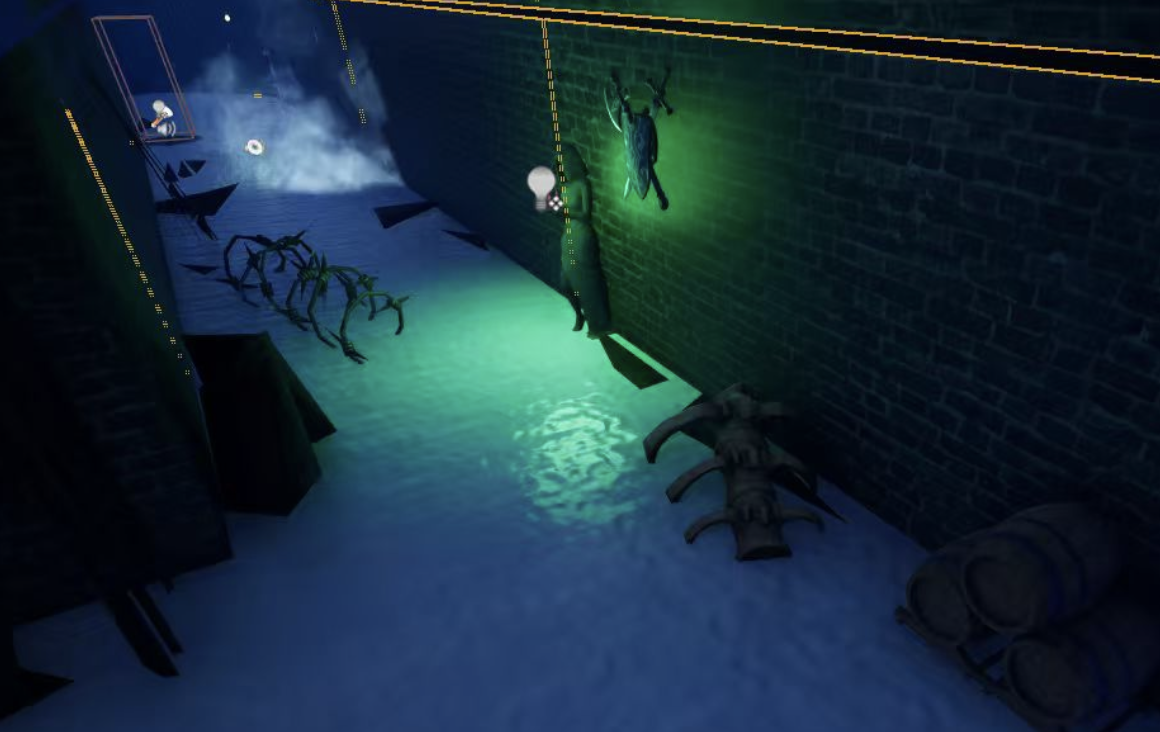
Light-sharing and navigation constraints
3. Emotional System
Narrative arc: loss → discovery → rebuilding
Shared success reinforces connection
Process
This project combined interaction design, spatial design, and technical implementation.
Concept development and narrative framing
Game mechanics and system logic design
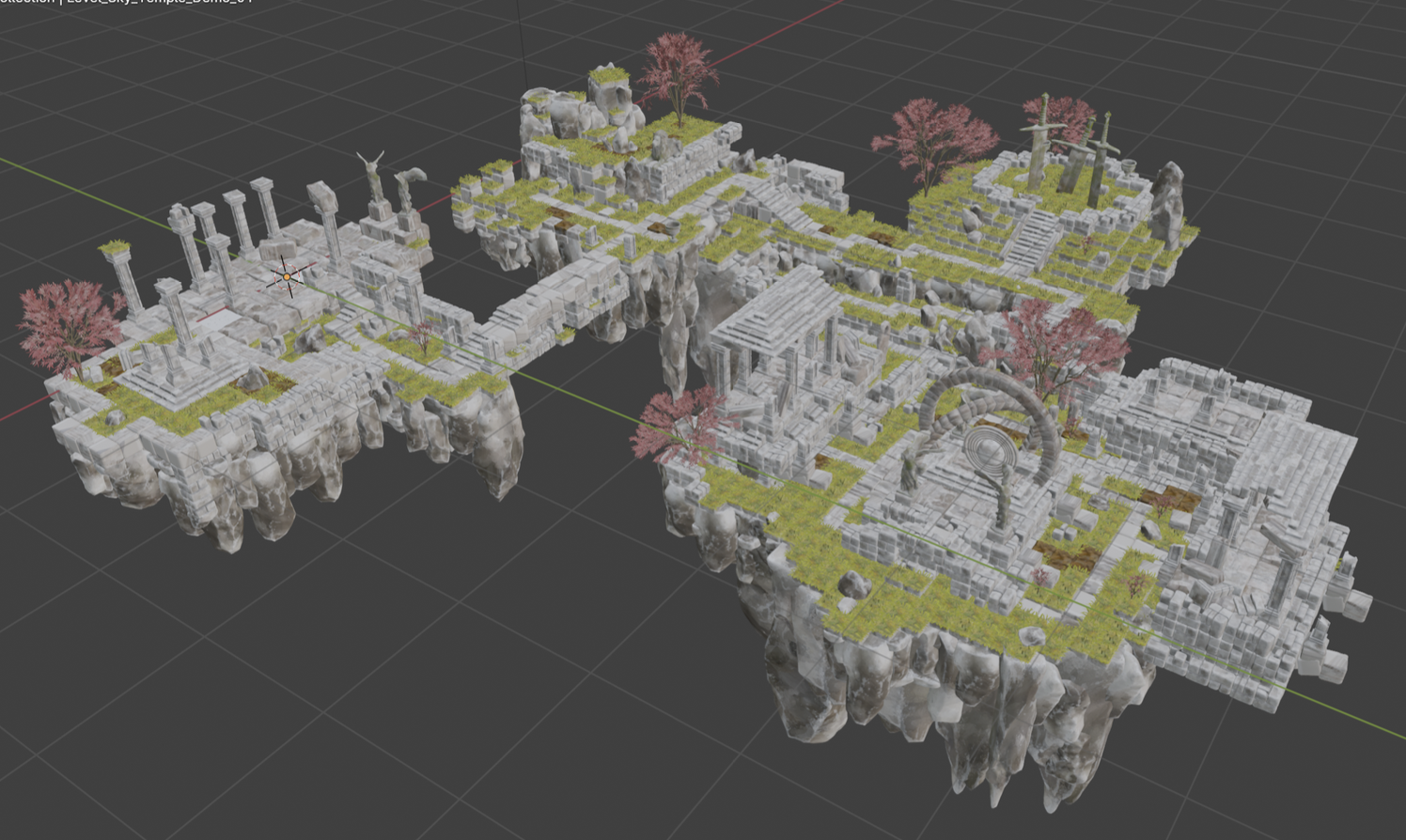
3D modeling in Blender
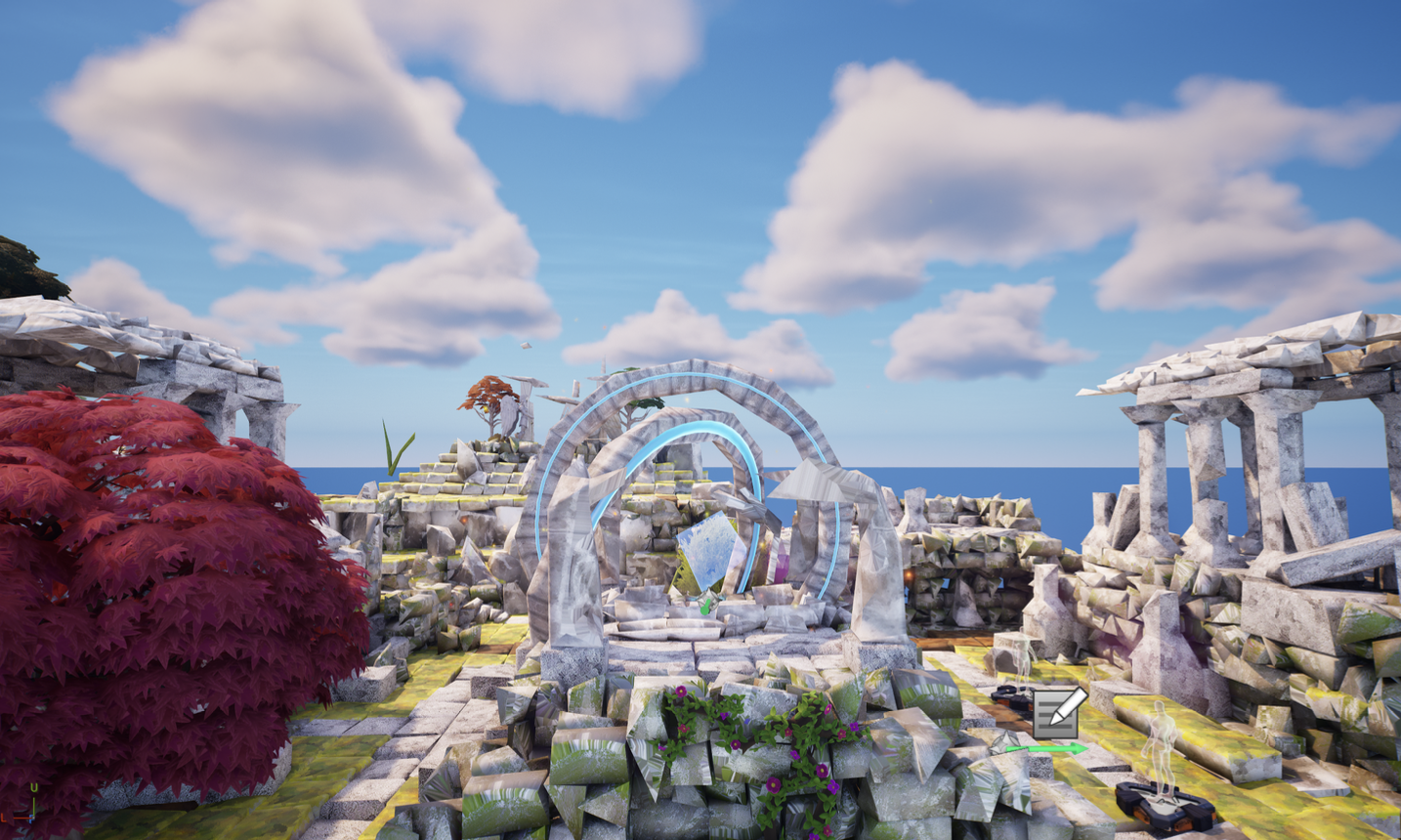
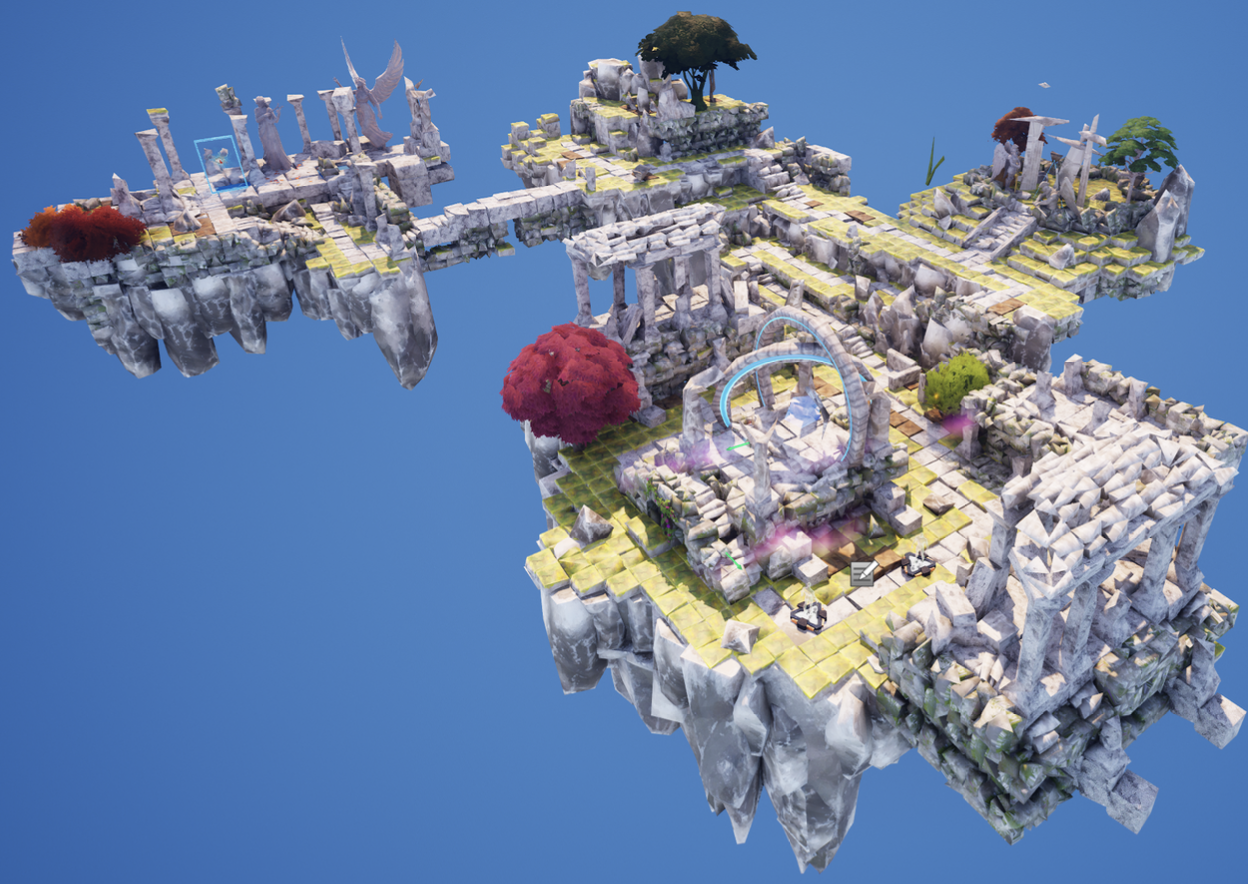
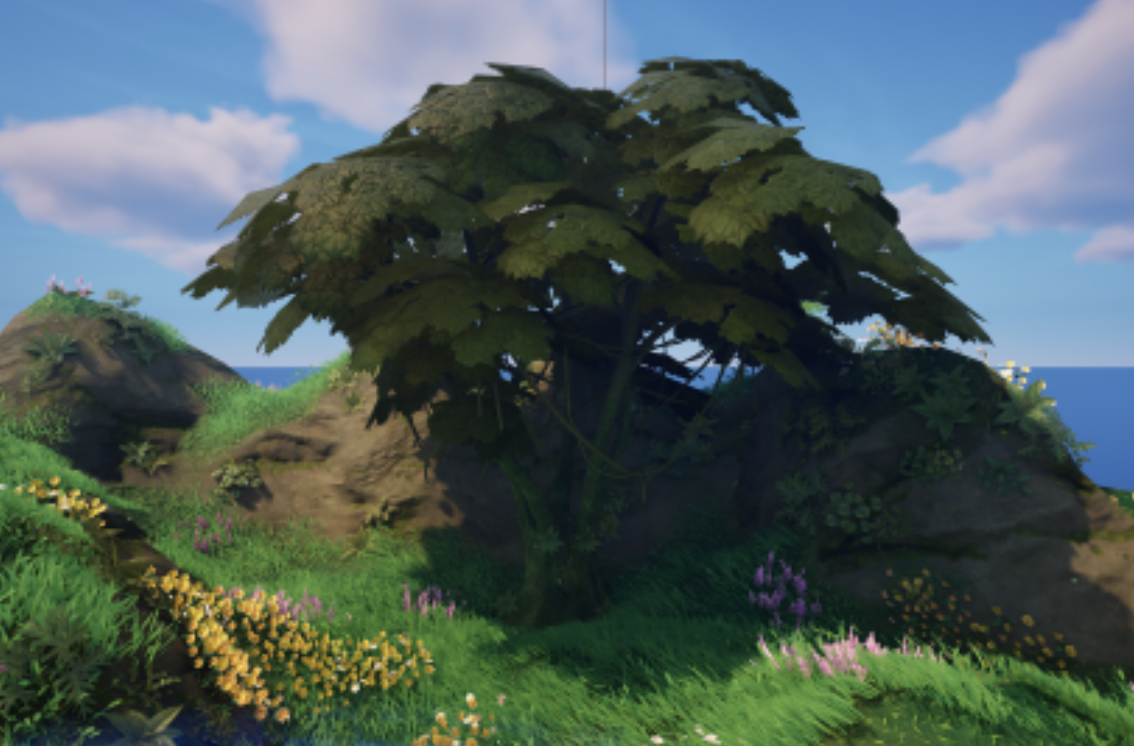
World building and interaction in UEFN
Iteration through testing and refinement
Challenge
Translating abstract concepts into playable systems
Designing meaningful collaboration mechanics
Balancing narrative, gameplay, and progression
Overcoming technical constraints in UEFN and Blender
What I Learned
Designing for interaction is different from designing for experience.
Designing for experience is designing for relationships.
Key learnings:
Systems shape behavior more than instructions
Collaboration must be structurally required
Emotional engagement emerges from shared effort
Interaction design can influence human connection
This project expanded my perspective from designing interfaces to designing human experiences.
