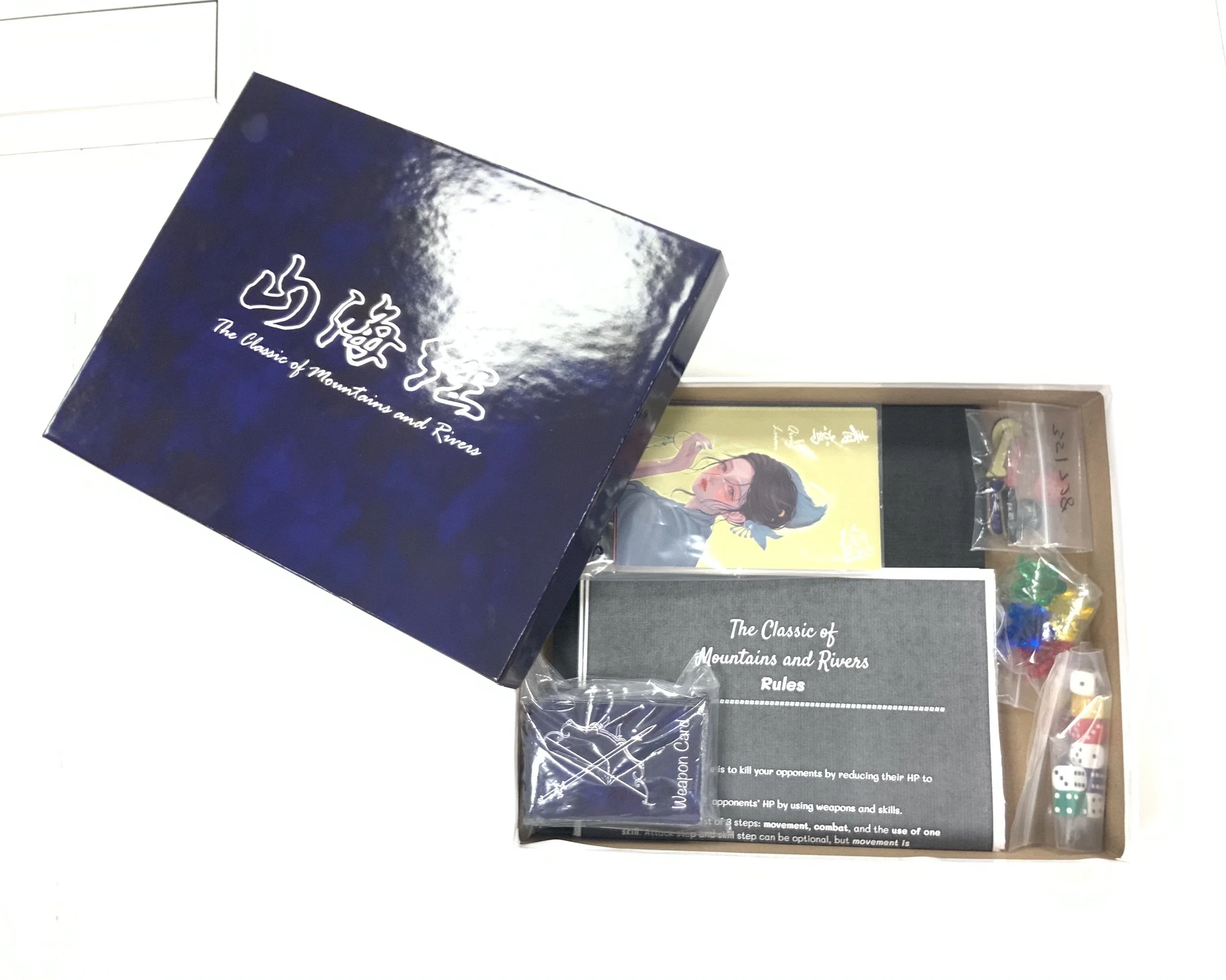
The Classic of Mountains & Rivers
Card Game Individual Work 2022

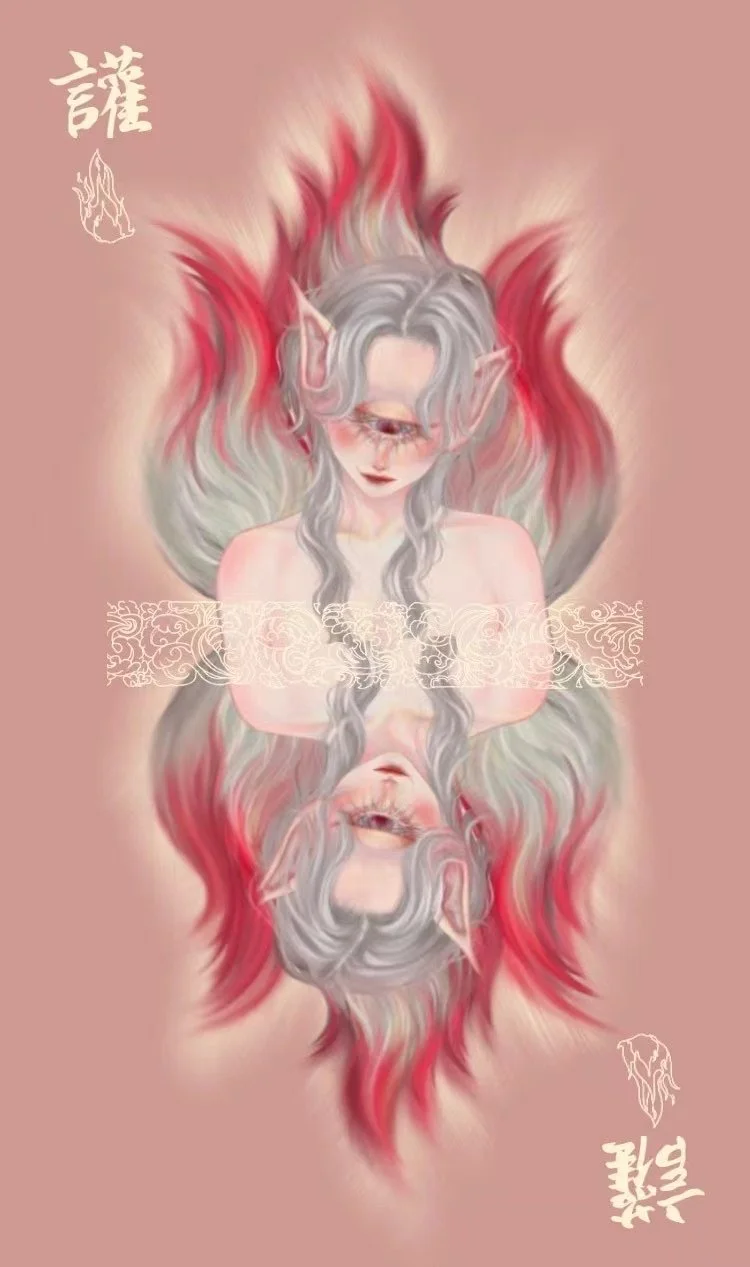
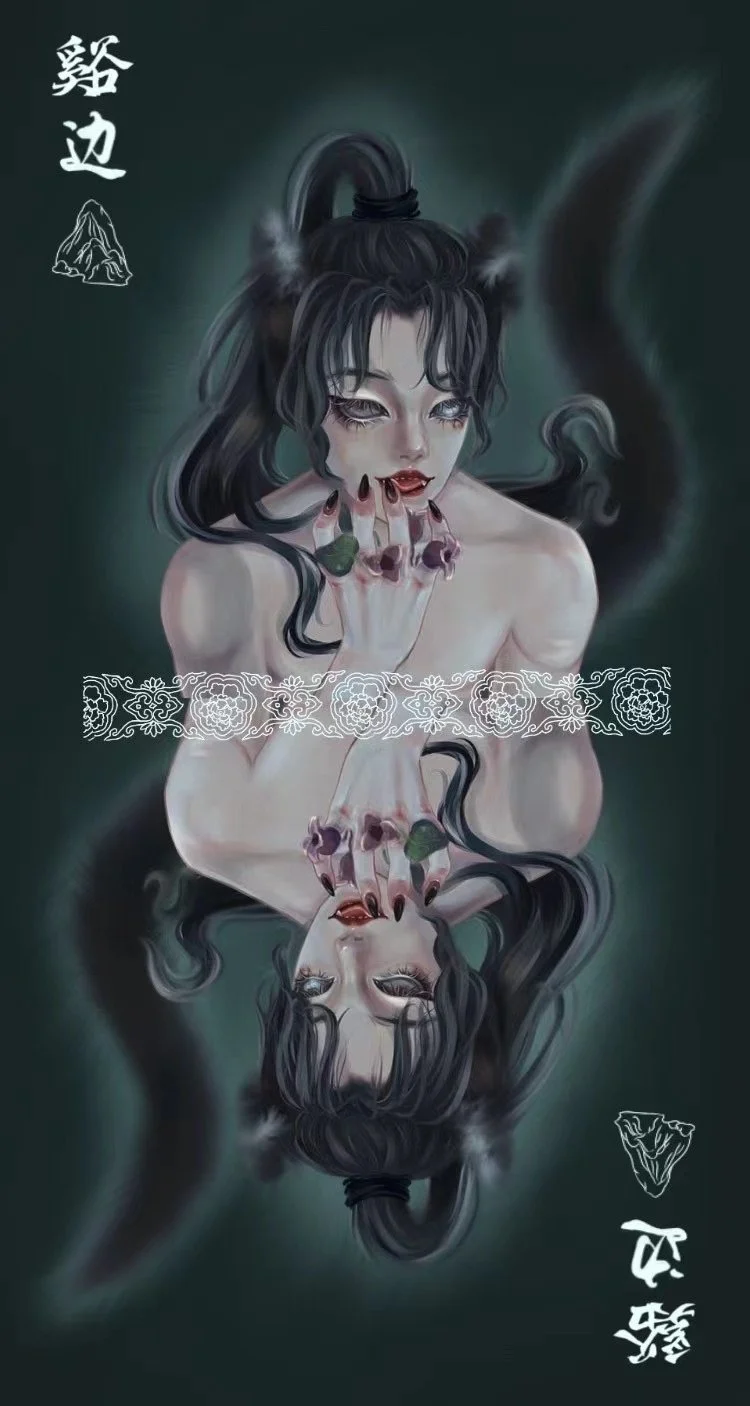
Desktop card game
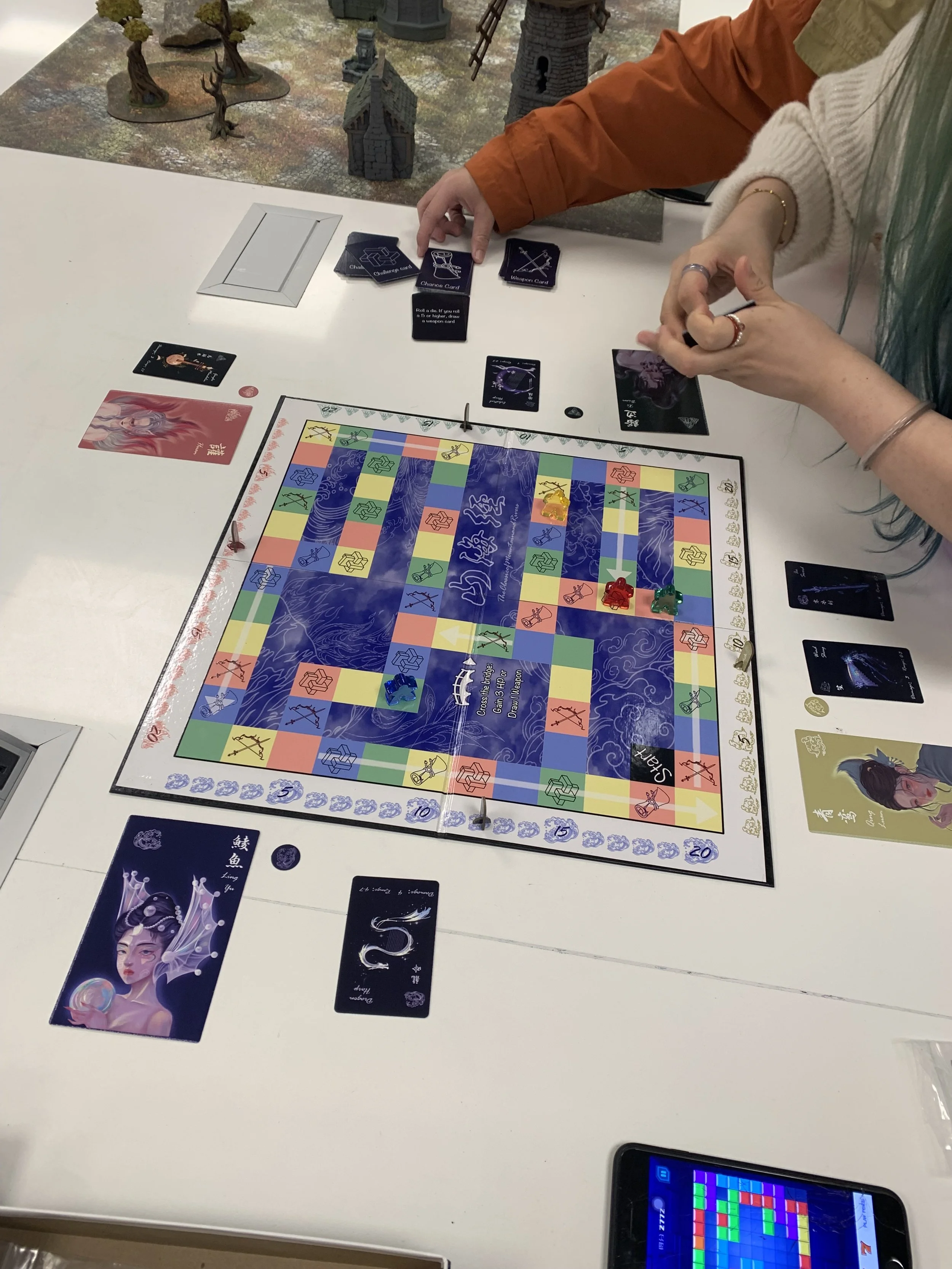
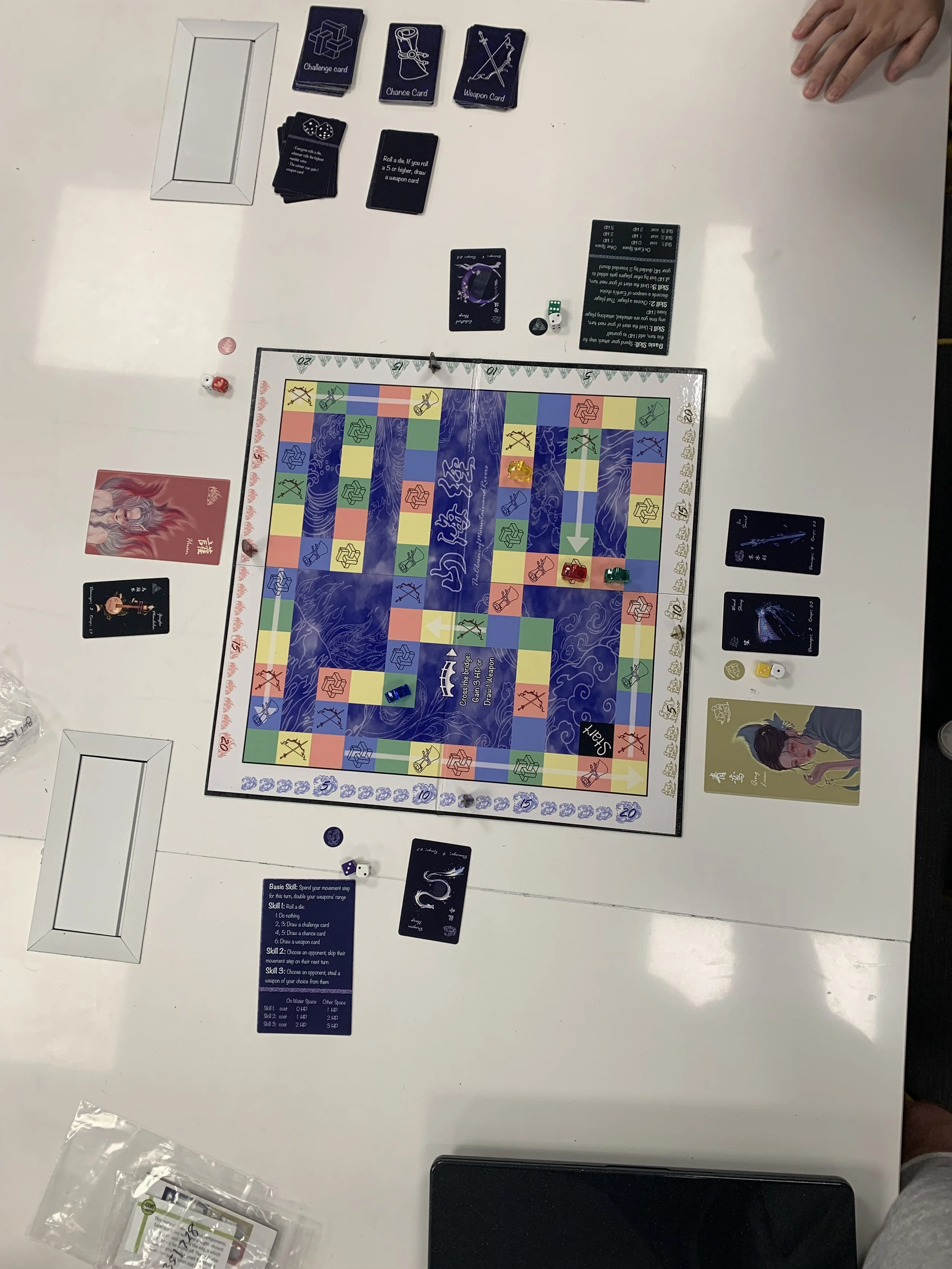
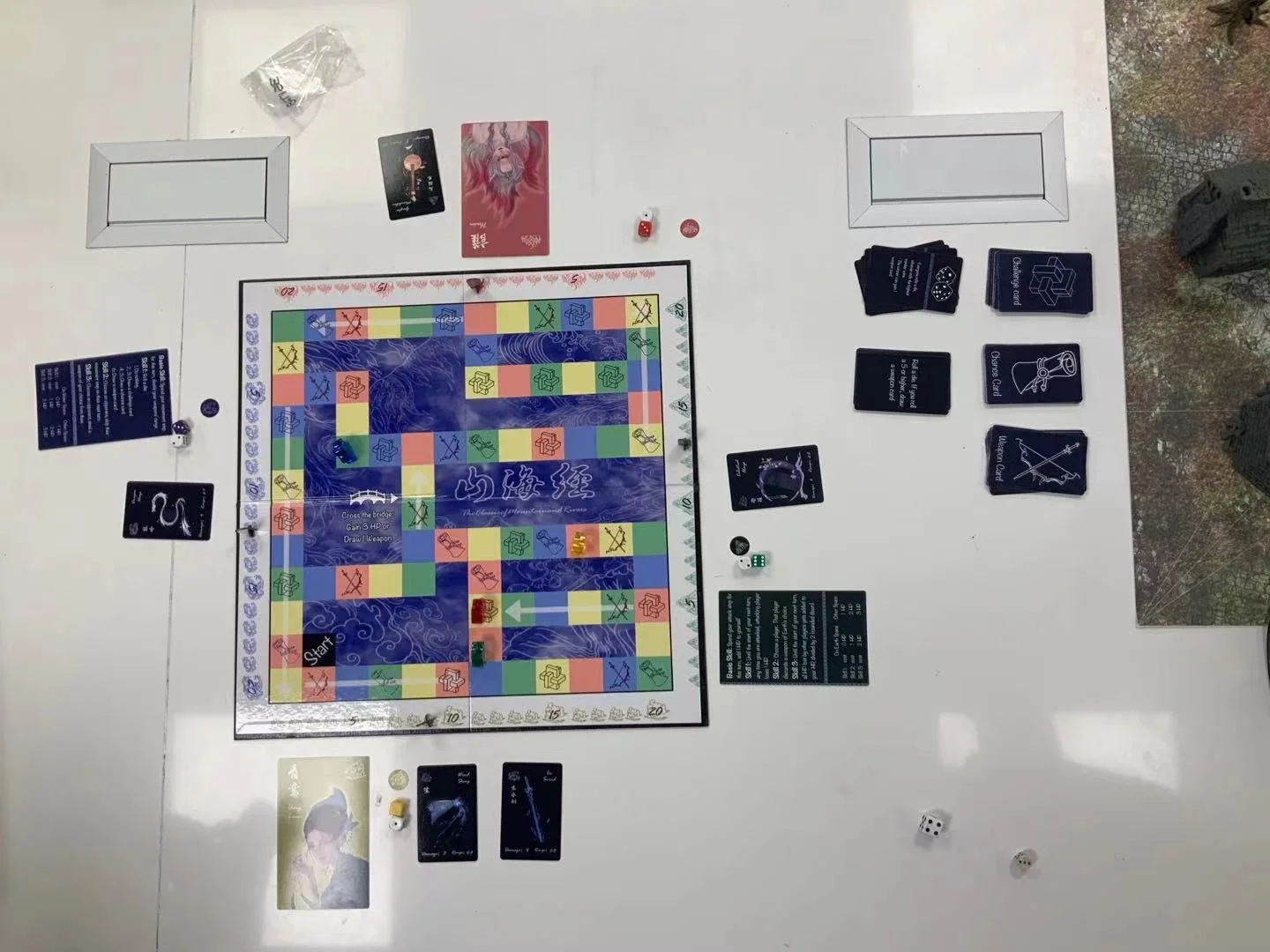
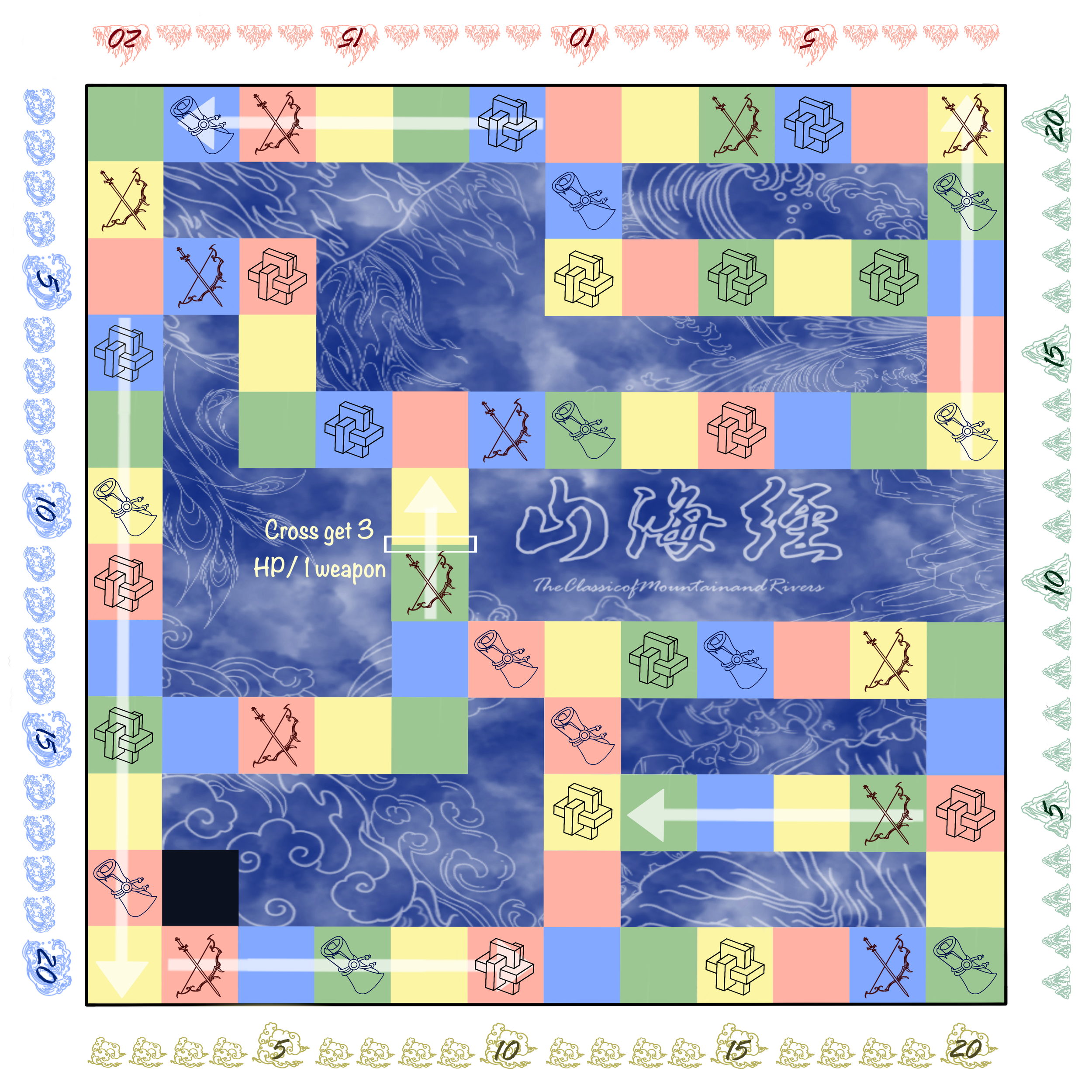
The player decides the endpoint and the start point (on the diagonal). Players roll the dice respectively. The player with the highest value randomly selects a card from the character deck (the player cannot see the face of the card), and the other players draw their character cards in a clockwise direction. After getting the character card, learn about the character card's settings and skills. Players roll the dice again to roll the number of steps. The gameplay is similar to Monopoly, with weapon points, games, stairs, and regular points in the middle. Weapon Point: A weapon card can be drawn from the arsenal, but cannot be used in the first round. Suppose it requires its turn. Game Points: Draw a game from the game card and get a reward if you win. Each game has bonuses and penalties that you need help understanding, depending on the game's difficulty. Stairs: When the player walks to the entrance of the stairs, they can ascend or descend according to the arrows on the stairs. Regular Points: There are rewards, penalties, and nothing. The map is divided into four colors, each representing a character type. Under the player's attribute color, his skills are doubled.
Final Character & Abilities
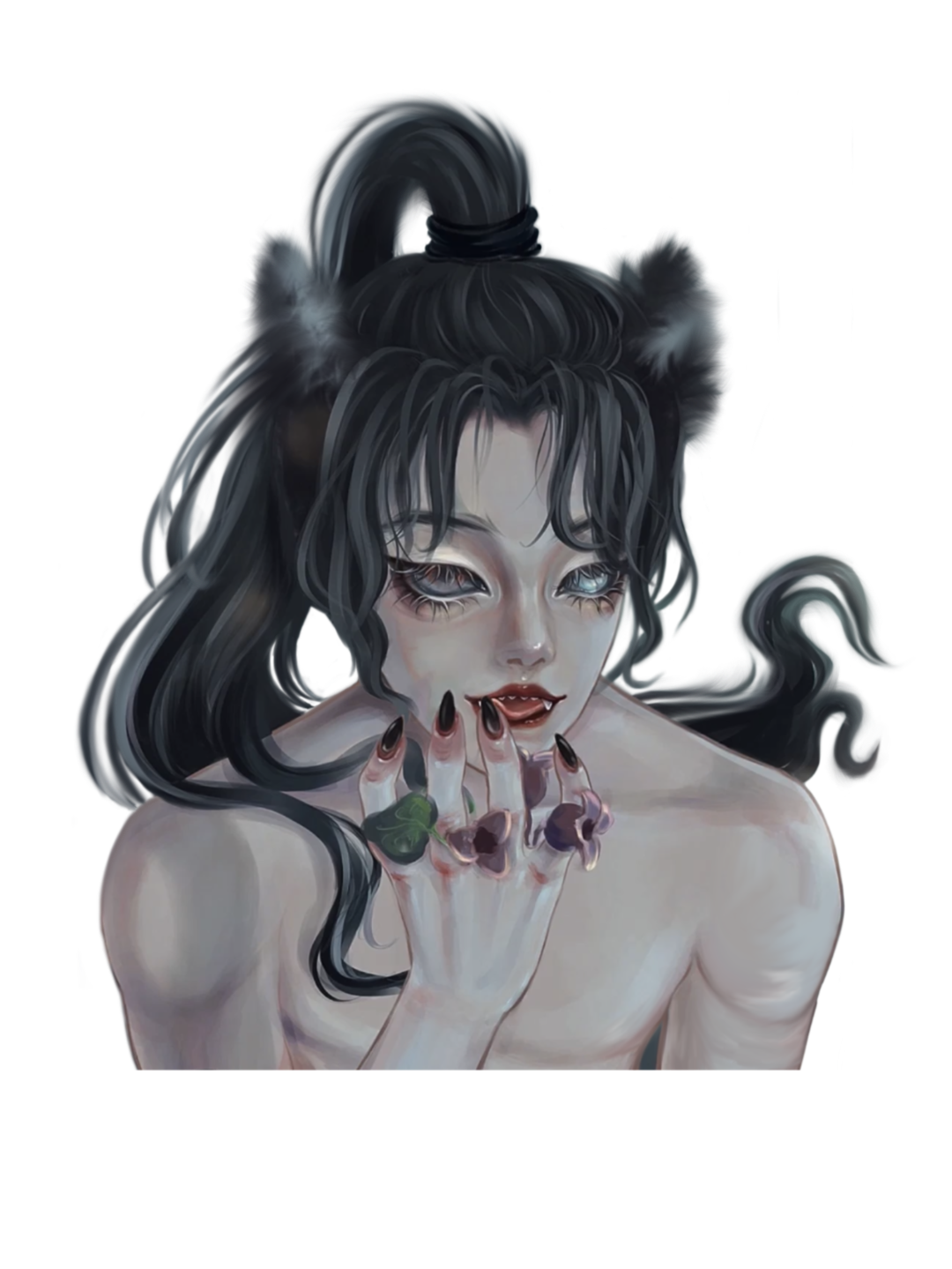
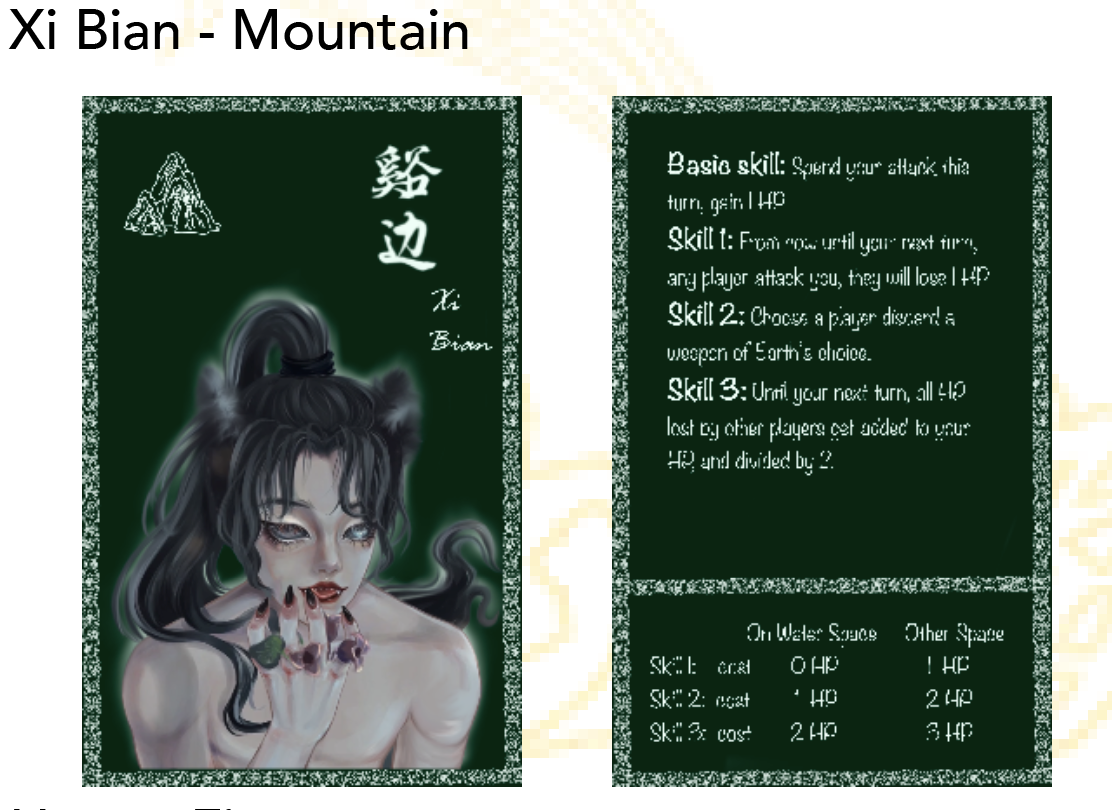
Xi Bian
Basic skill: Spend your attack this turn, gain 1 HP
Skill 1: From now until your next turn, if any player attacks you, they will lose 1 HP
Skill 2: Choose a player to discard a weapon of Earth’s choice.
Skill 3: Until your next turn, all HP lost by other players gets added to your HP and divided by 2
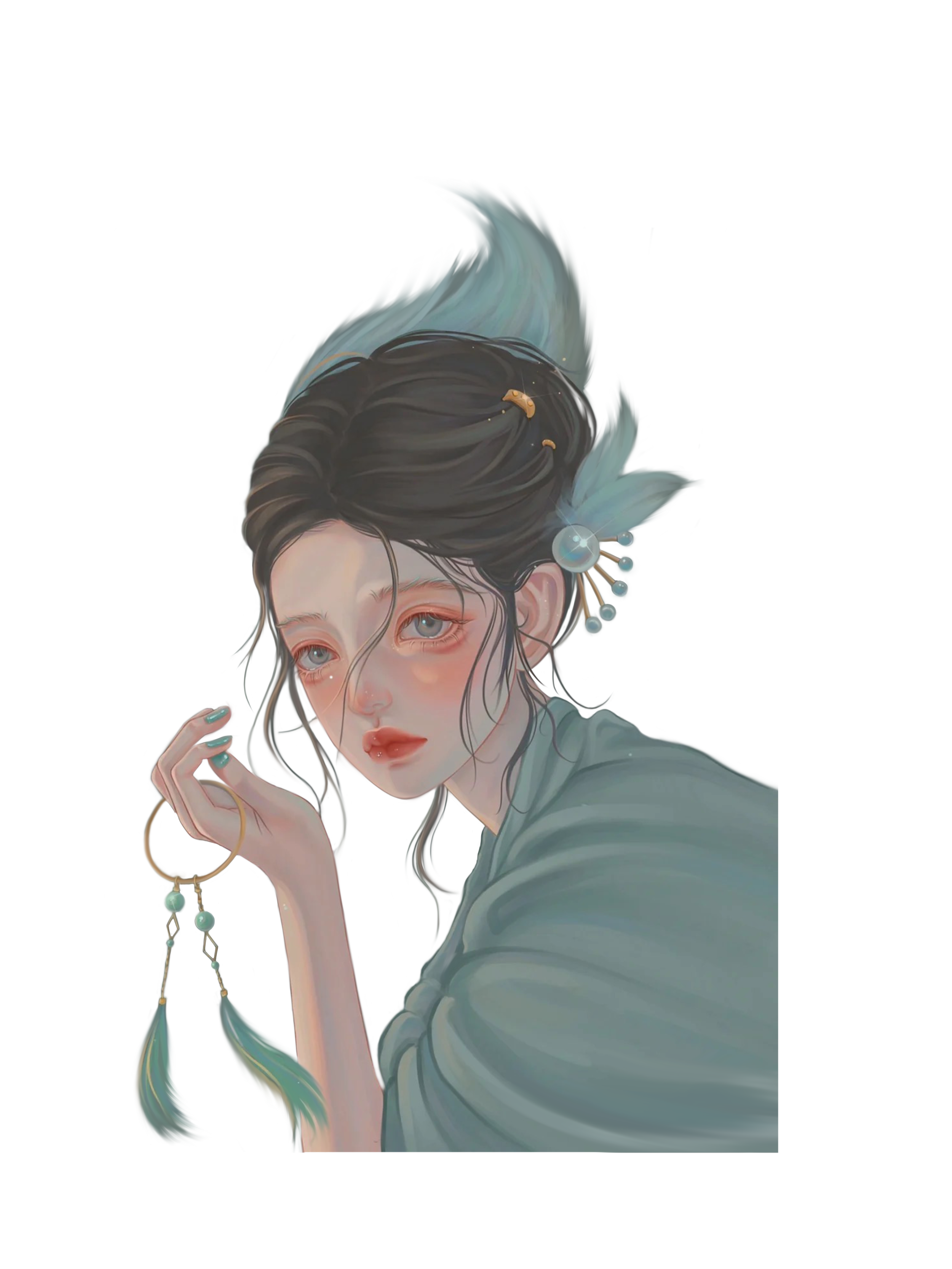
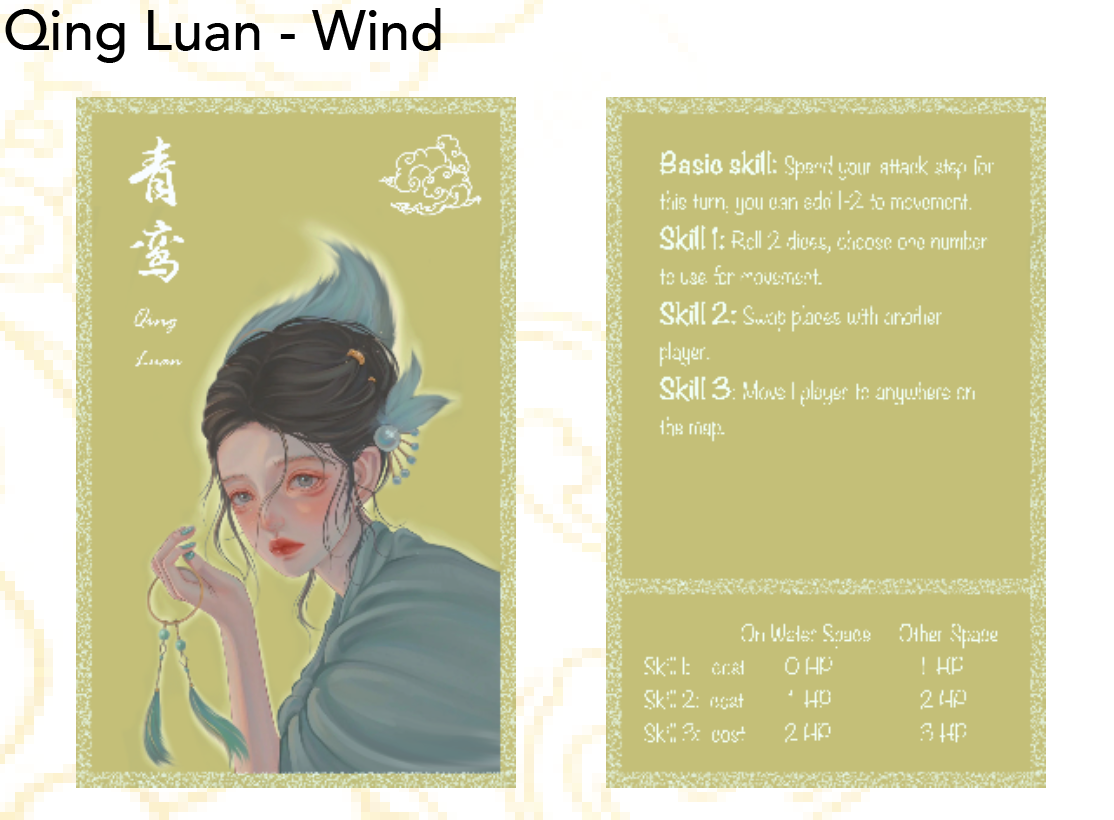
Qing Luan
Basic skill: Spend your attack step for this turn, you can add 1-2 to movement.
Skill 1: Roll 2 dice, choose one number to use for movement.
Skill 2: Swap places with another player.
Skill 3: Move 1 player to anywhere on the map.
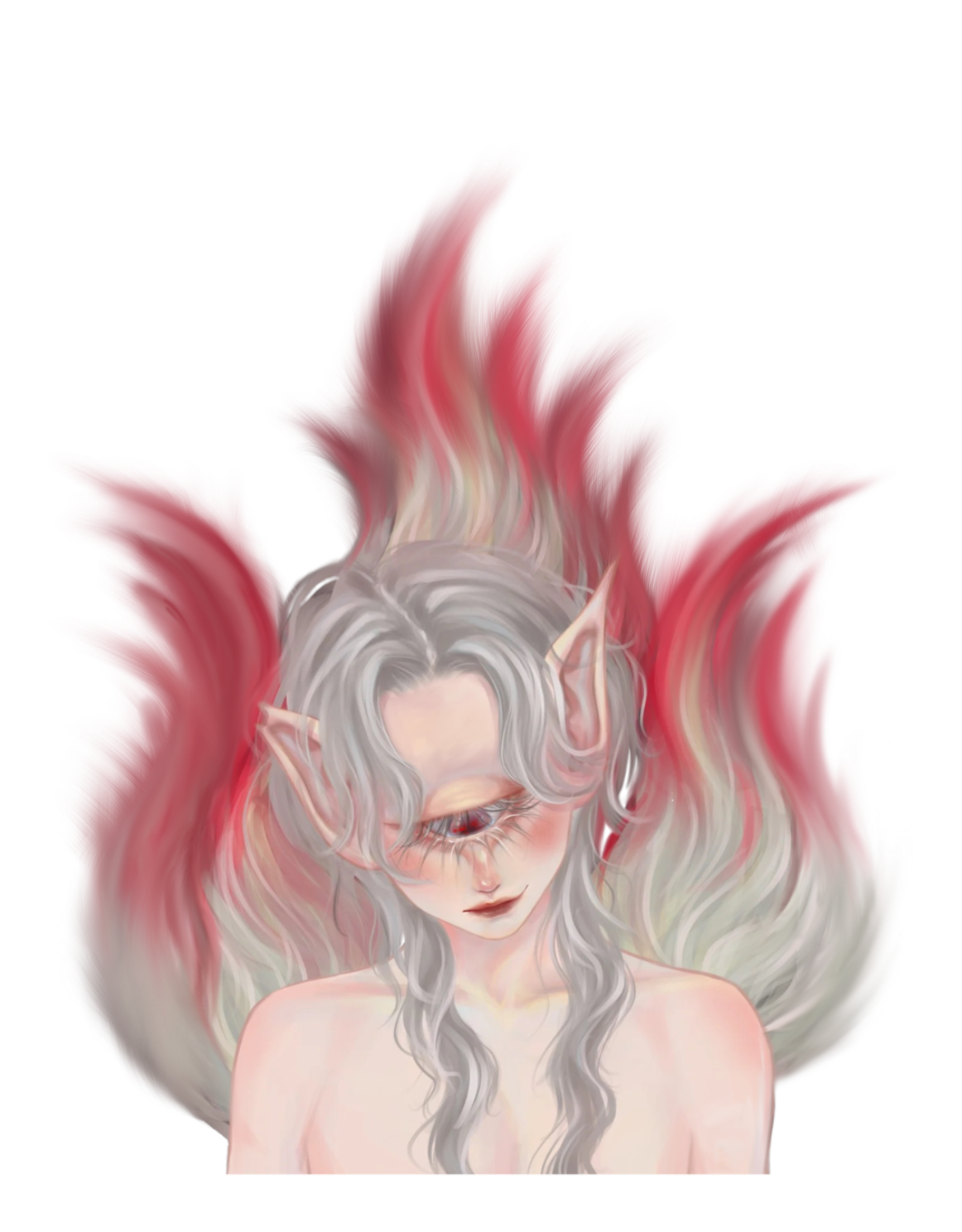
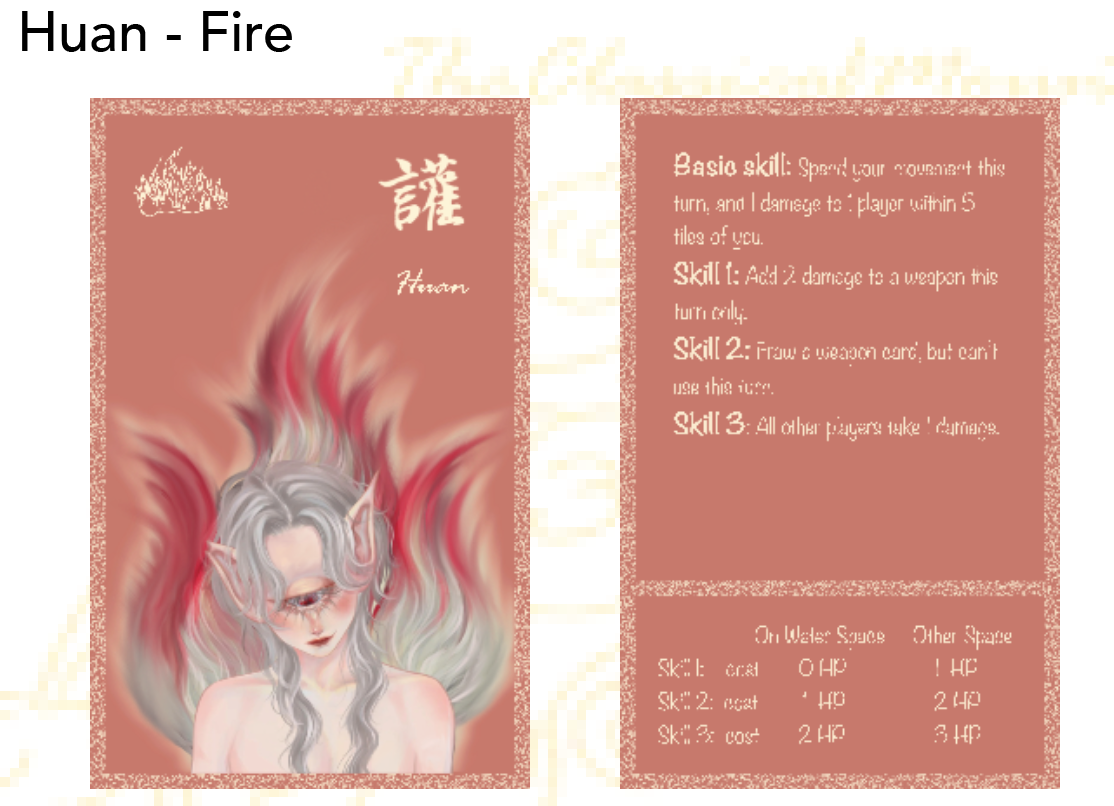
Huan
Basic skill: Spend your movement this turn, and 1 damage to 1 player within 5 tiles of you
Skill 1: Add 2 damage to a weapon this turn only.
Skill 2: Fraw a weapon card, but can't use this turn.
Skill 3: All other players take 1 damage.

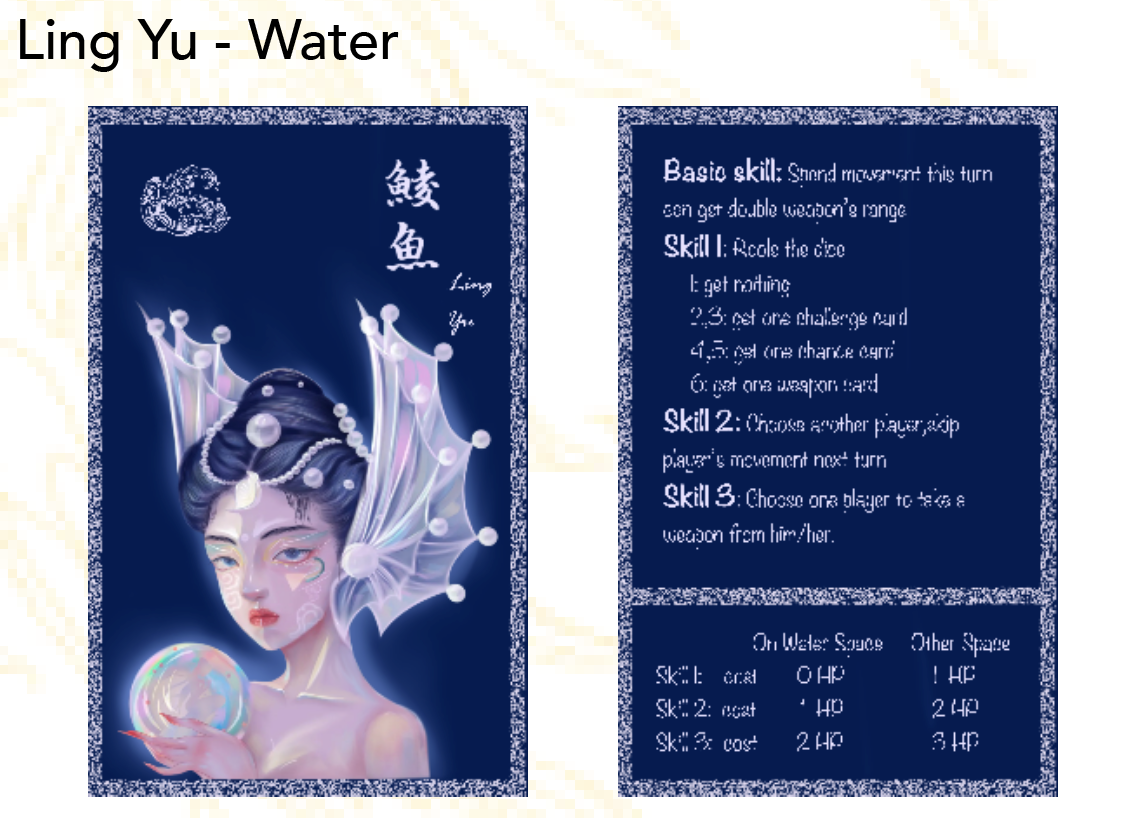
Ling Yu
Basic skill: Spend movement this turn to get double the weapon’s range
Skill 1: Roll the dice. 1: Get nothing. 2,3: get one challenge card.
4,5: get one chance card 6: get one weapon card
Skill 2: Choose another player, skip player’s movement next turn
Skill 3: Choose one player to take a weapon from him/her.
Final Character Card Design
Map
1. Four corners can be either start or endpoints (diagonal selection)
2. Stairs (up and down) are only used for player steps, not weapons.
3. Regular points: (reward/deduct health/attack/defense, give primary weapons)
4. Game points: (draw game cards and complete the designated game to get tips; if not satisfied, then backlash.)
5. Card Points (Weapon Points): Randomly/randomly draw a weapon card from the arsenal. (Each card has its attributes, and the character attributes will change differently.)
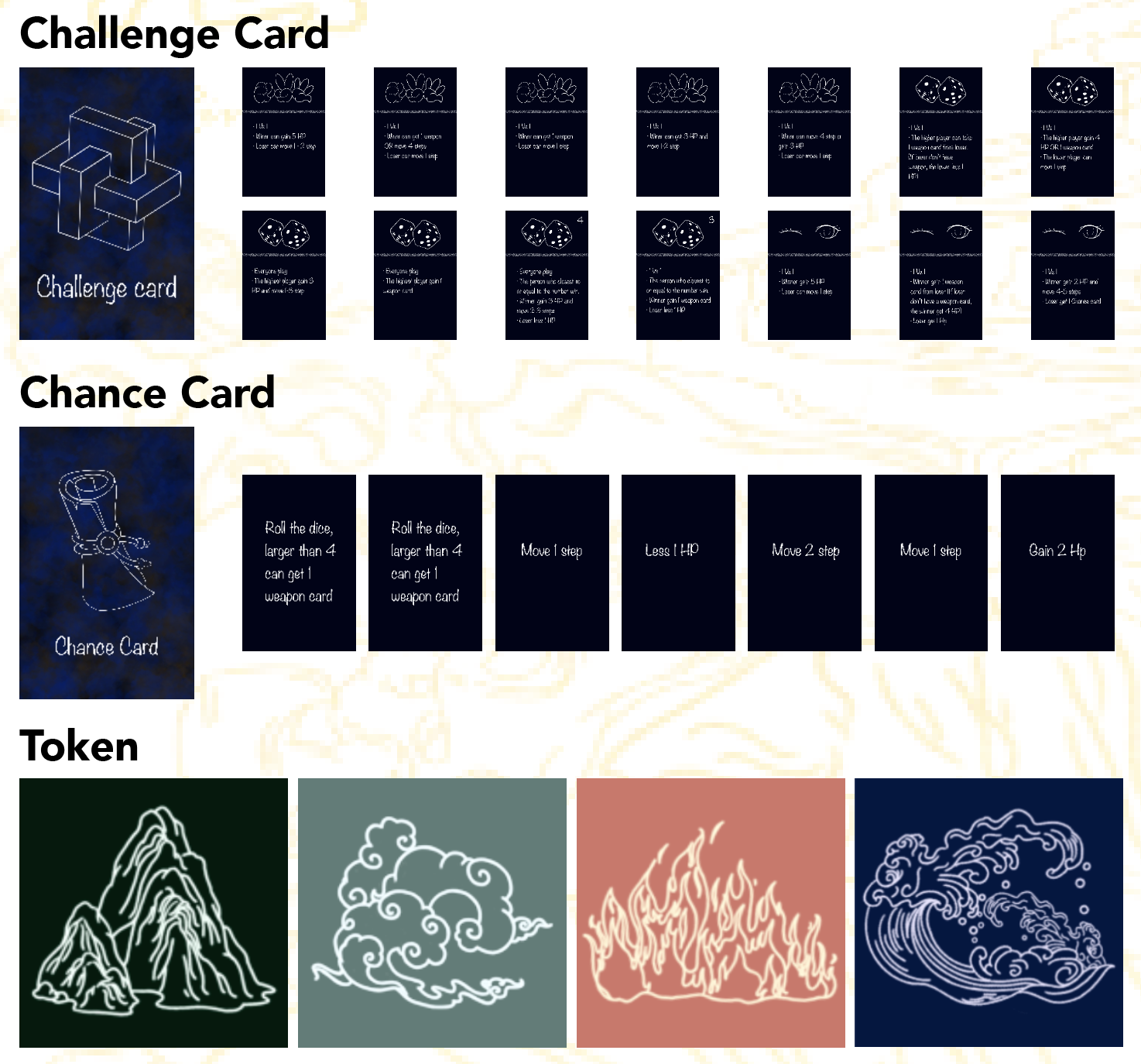
Special cards & Token
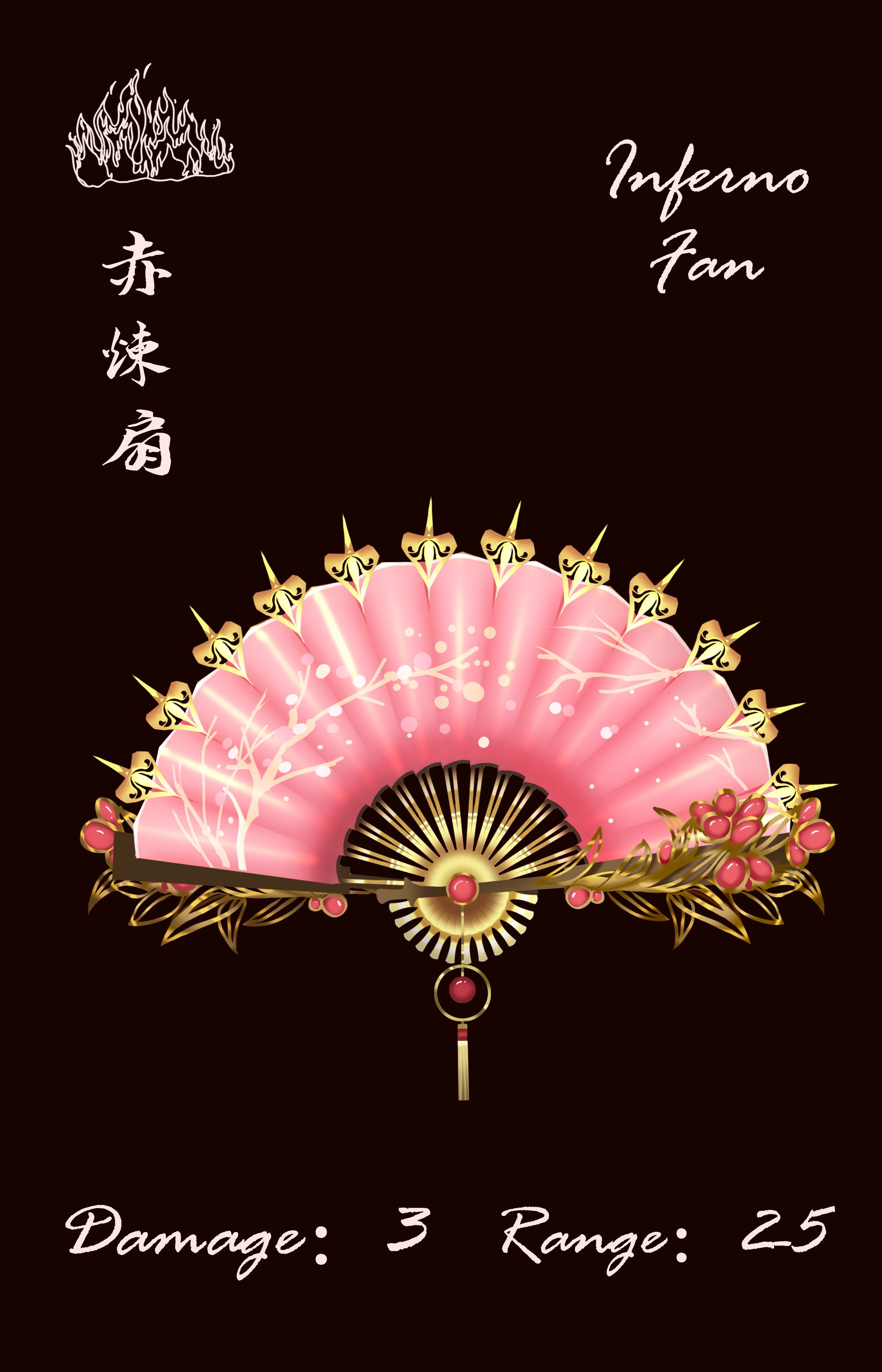
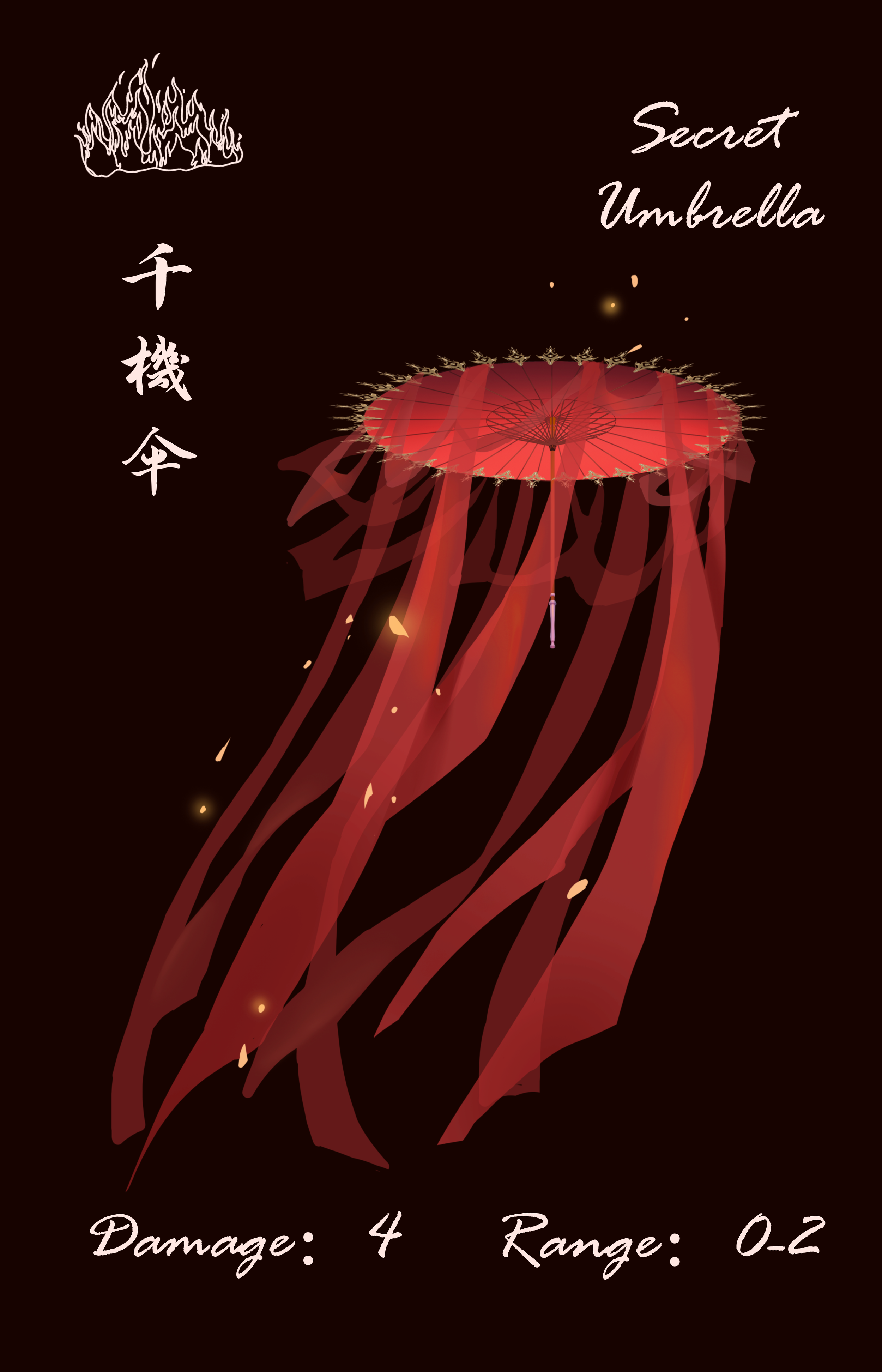
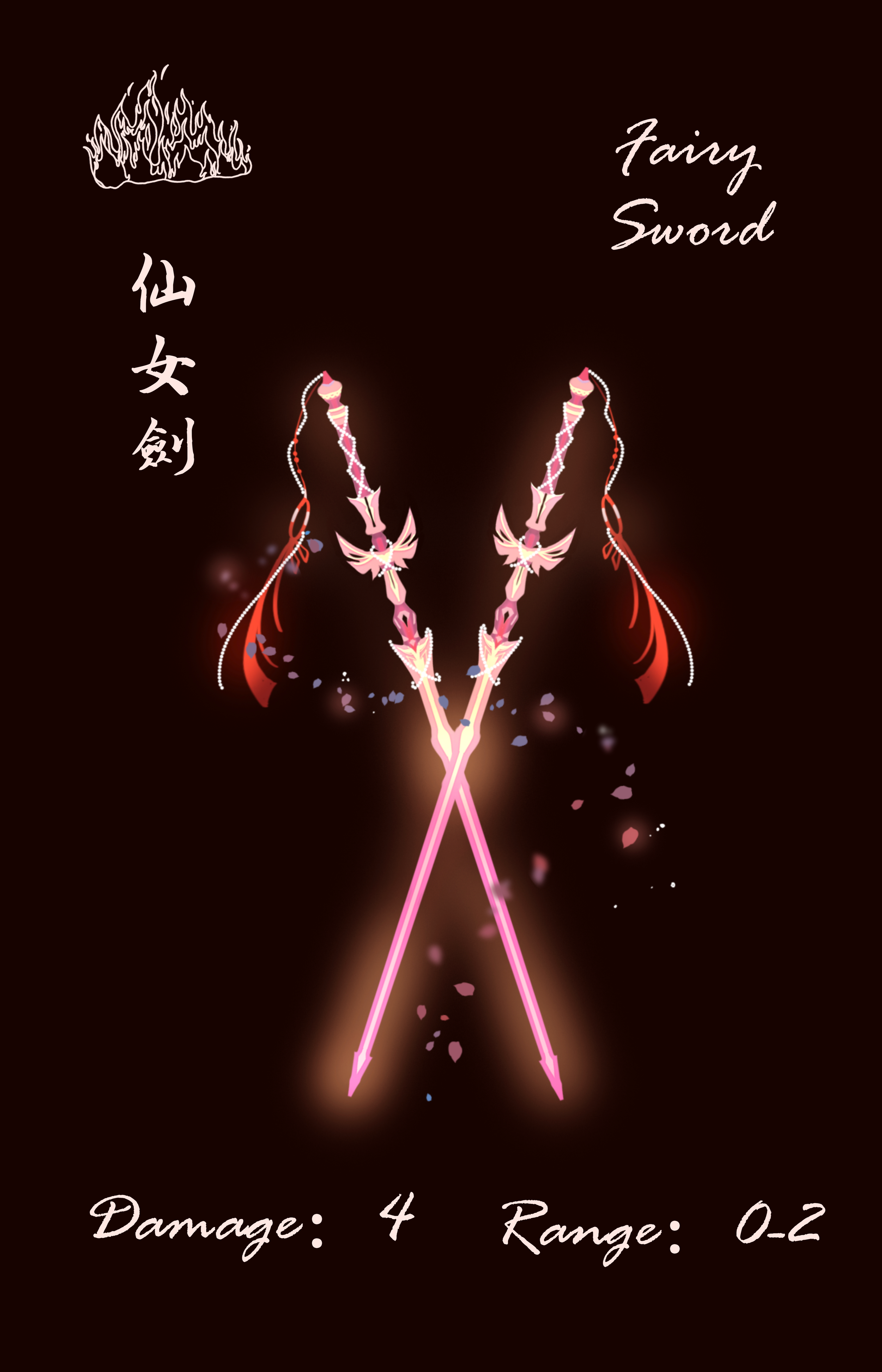
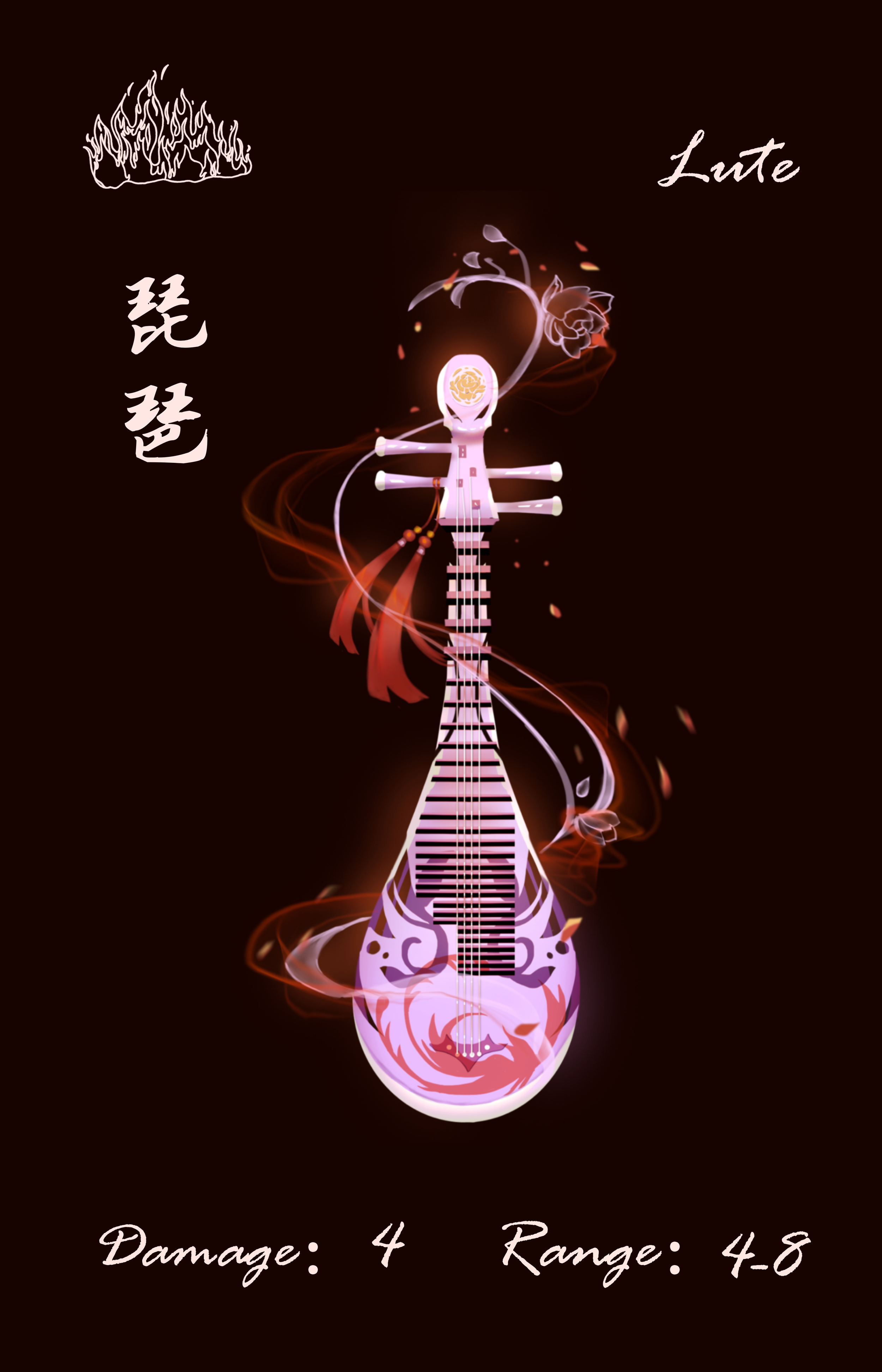
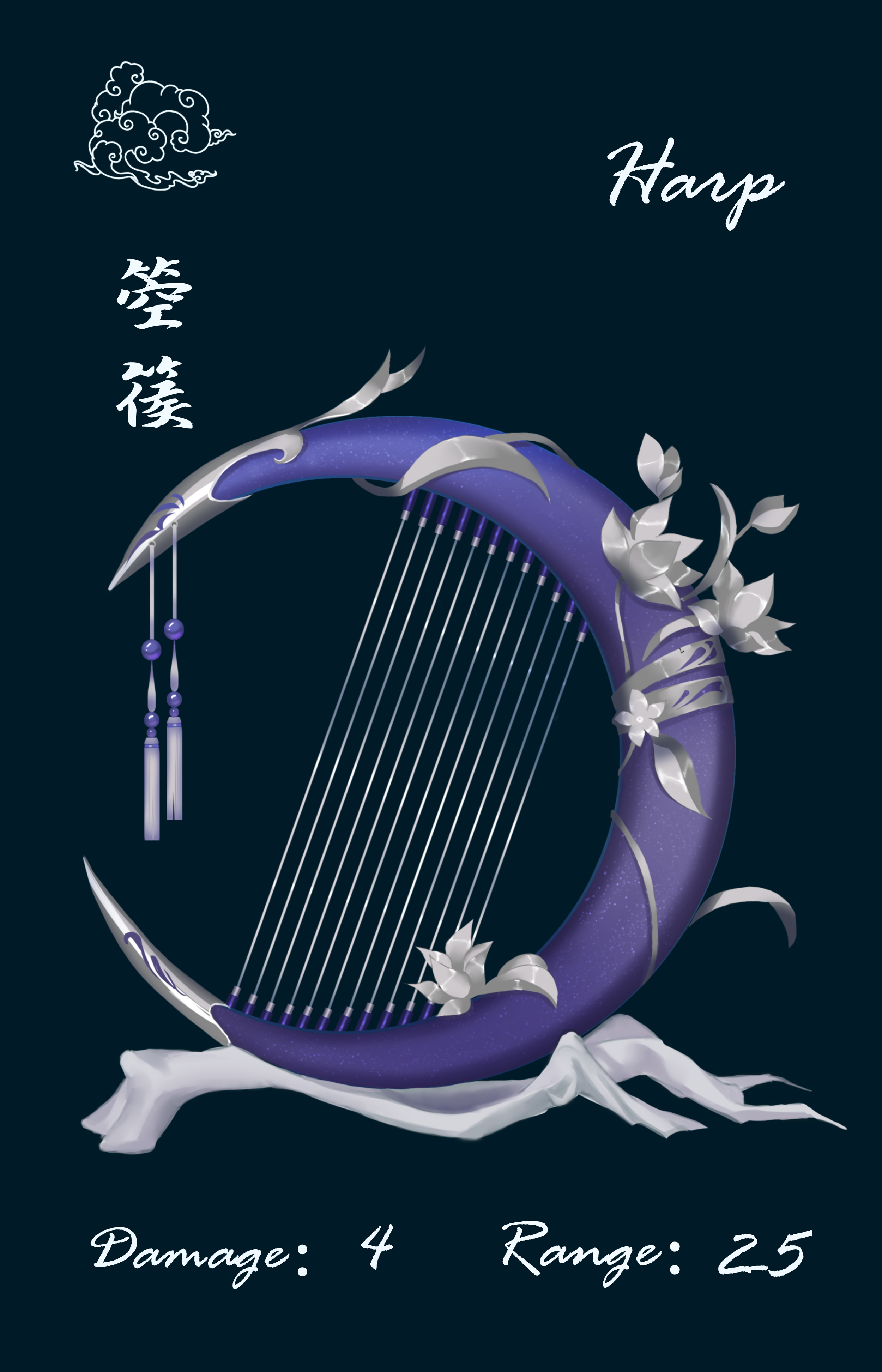
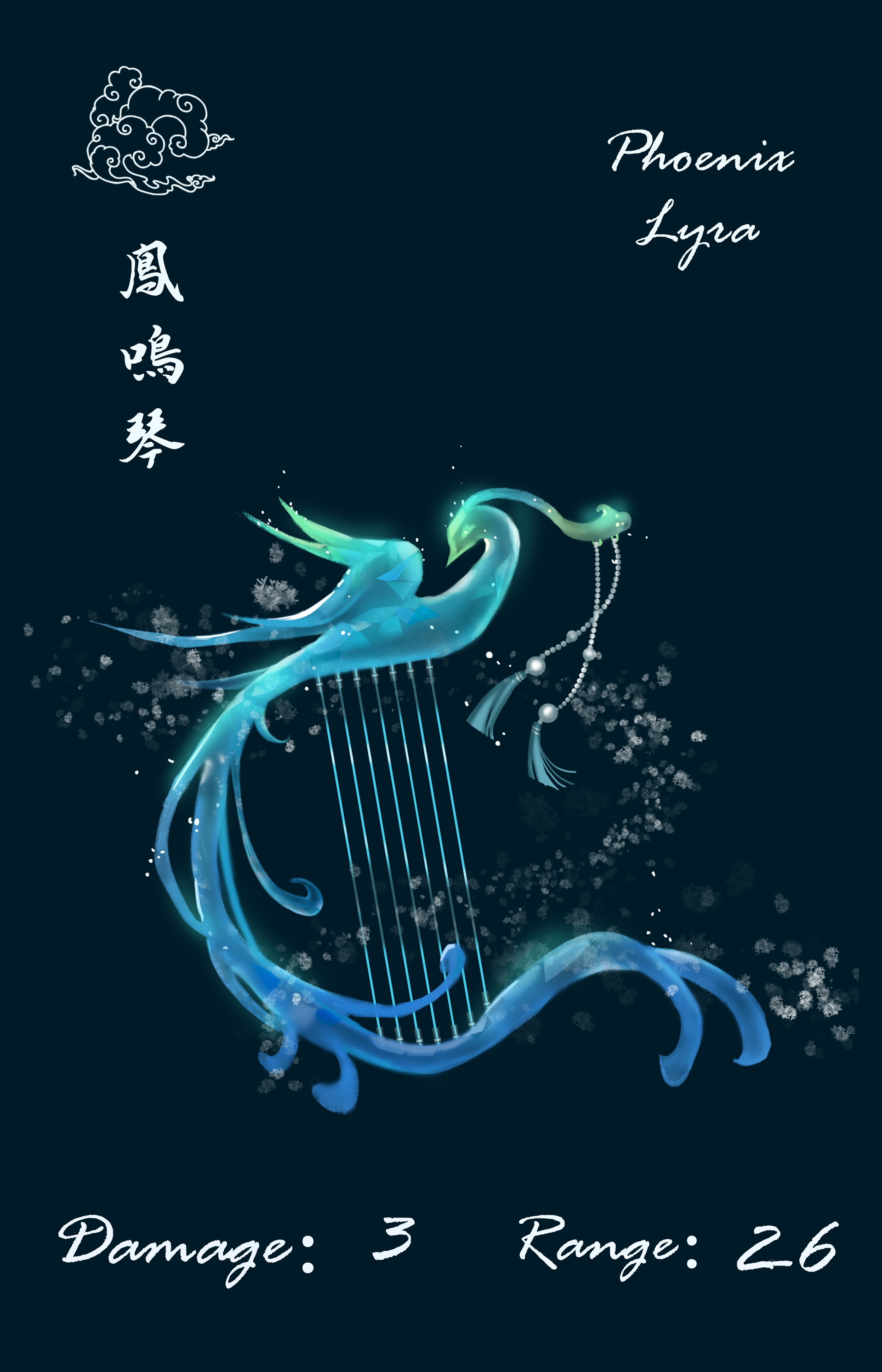
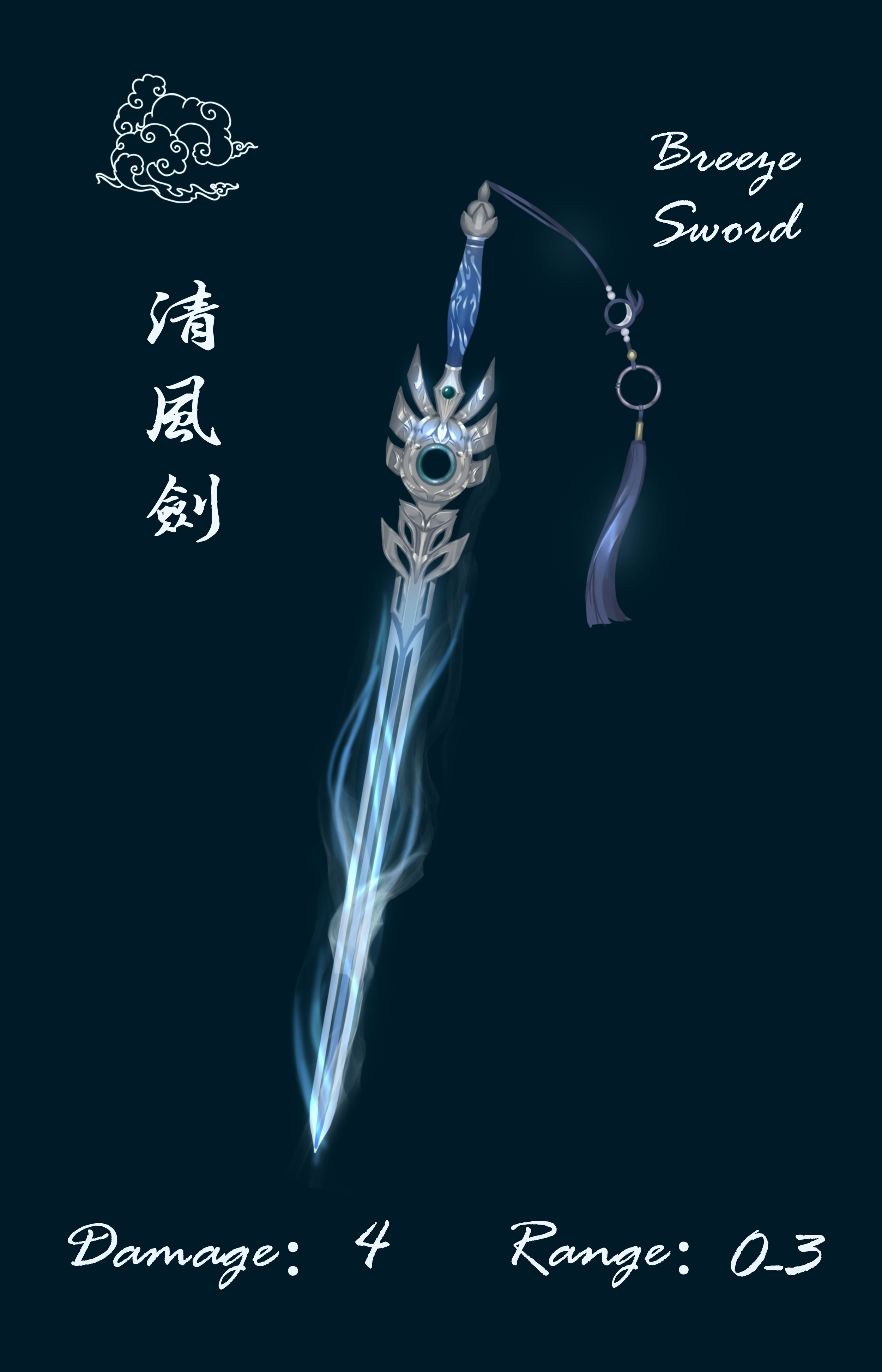
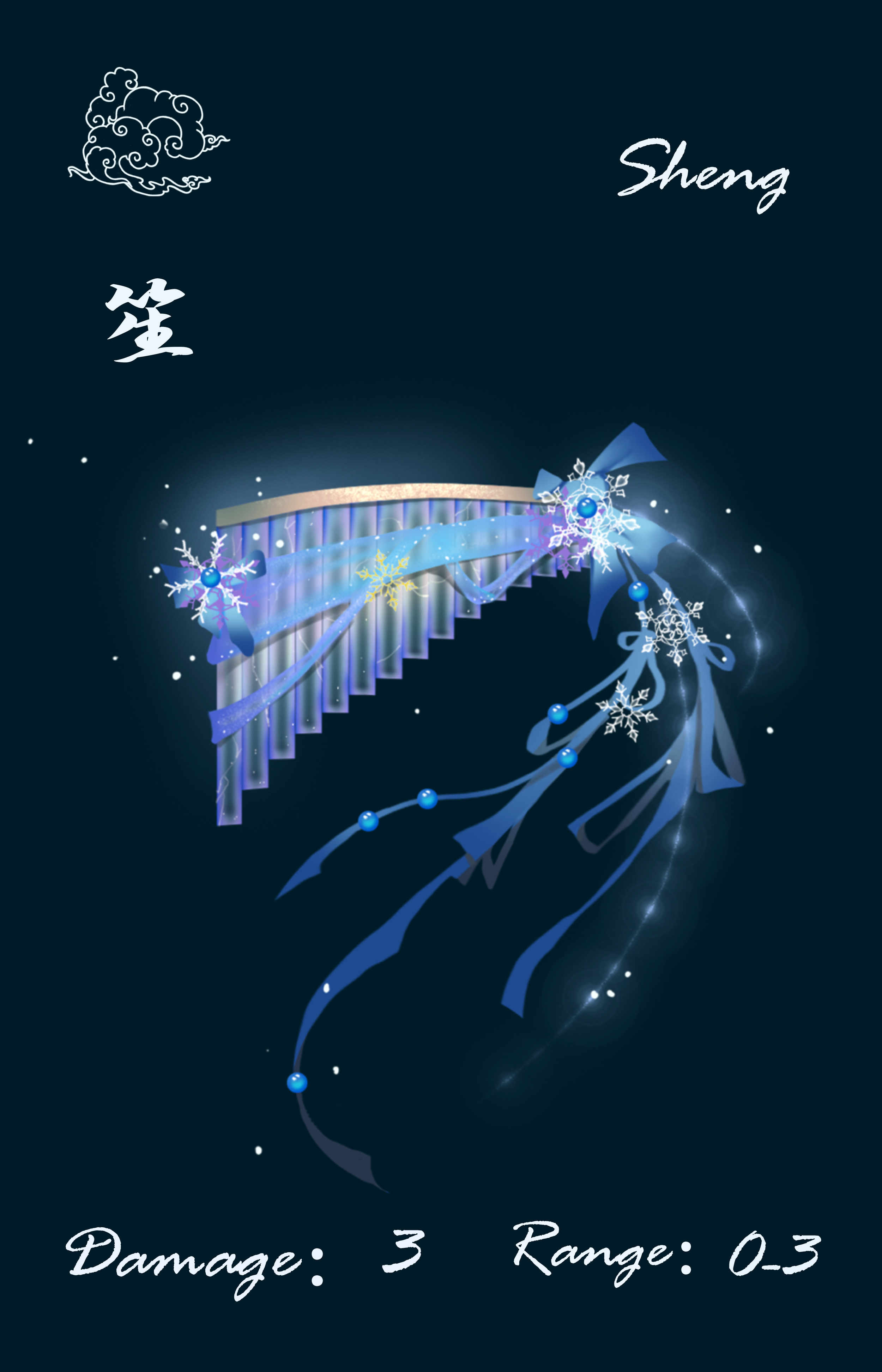
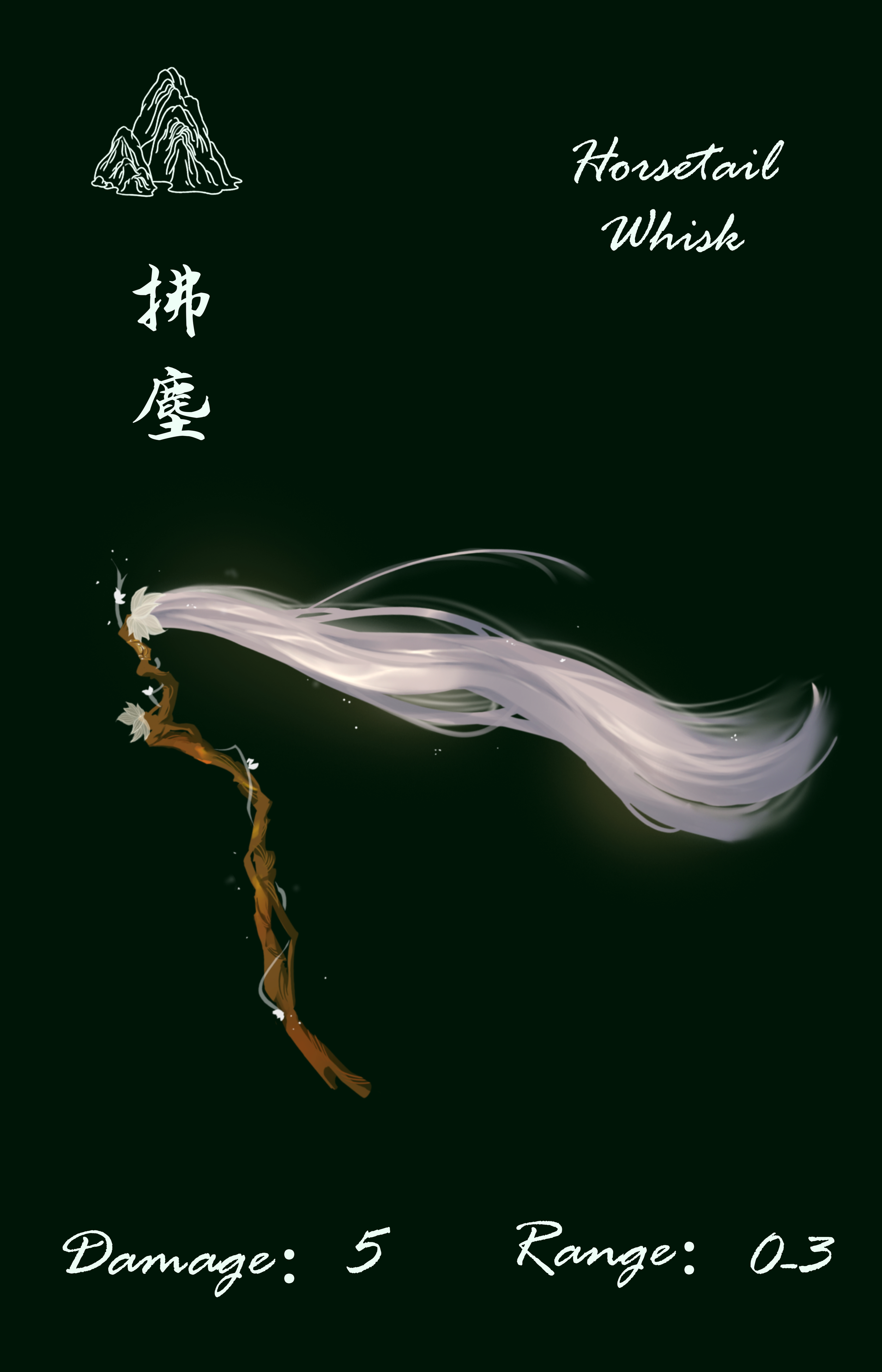
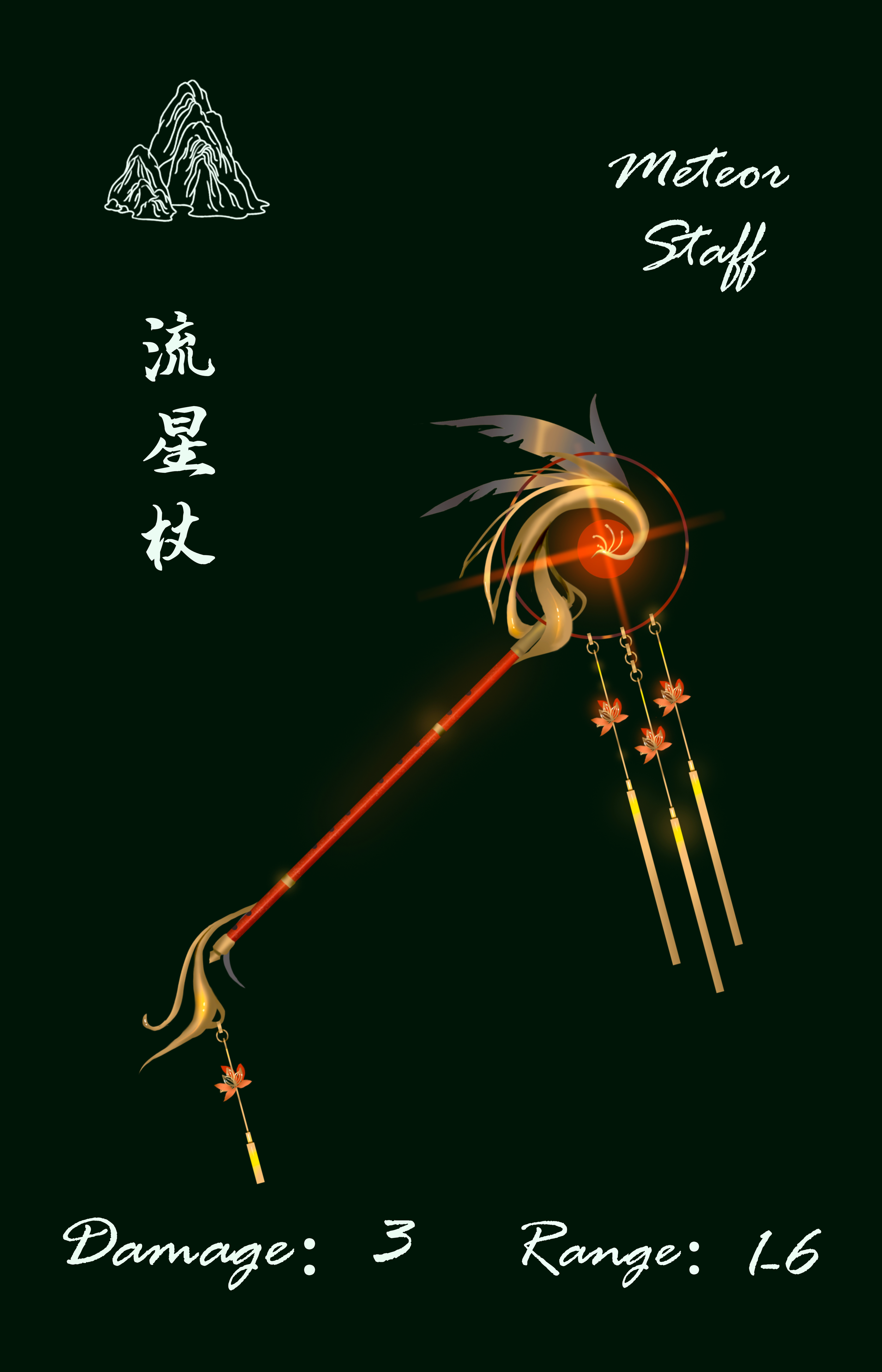
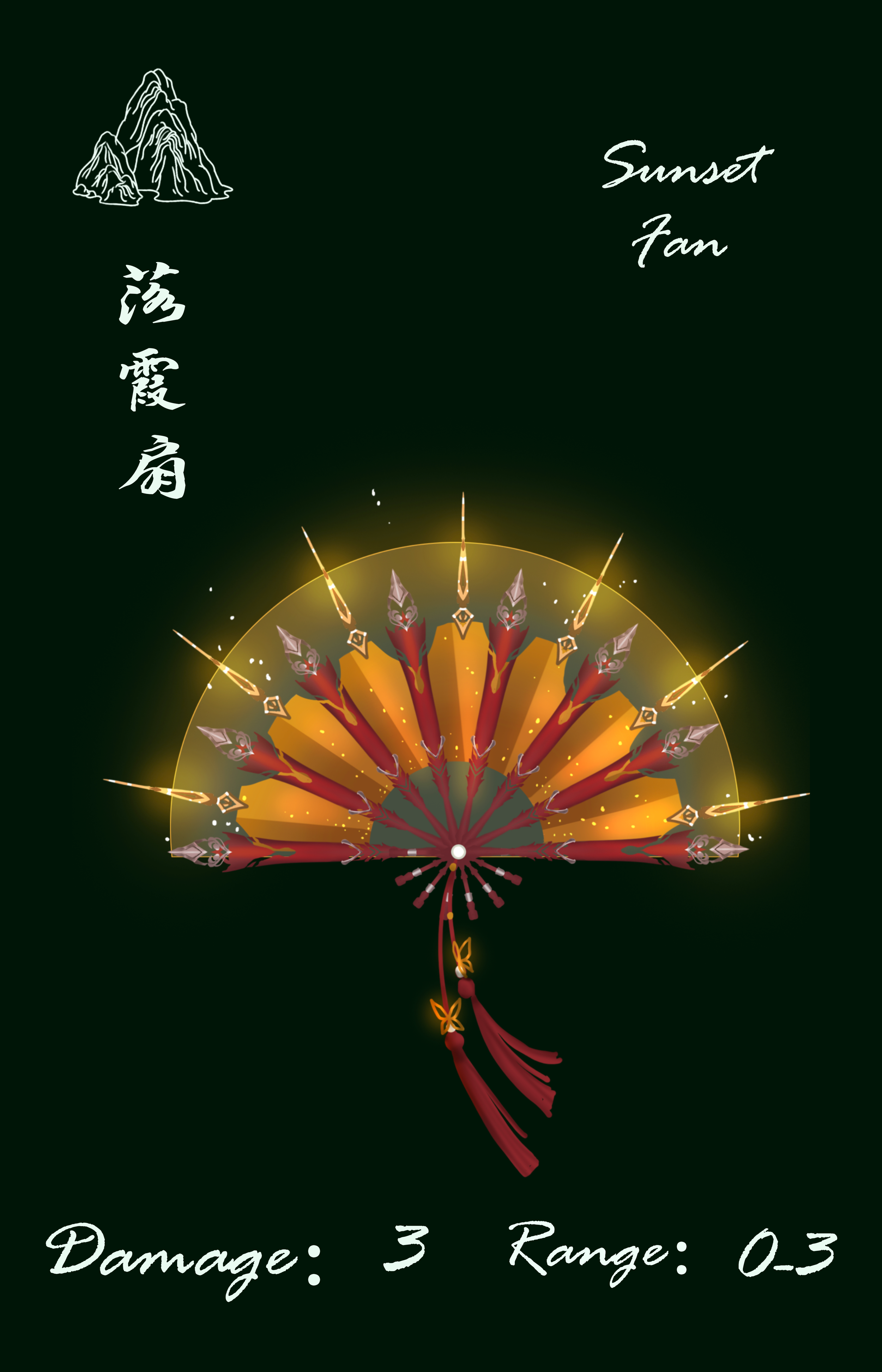
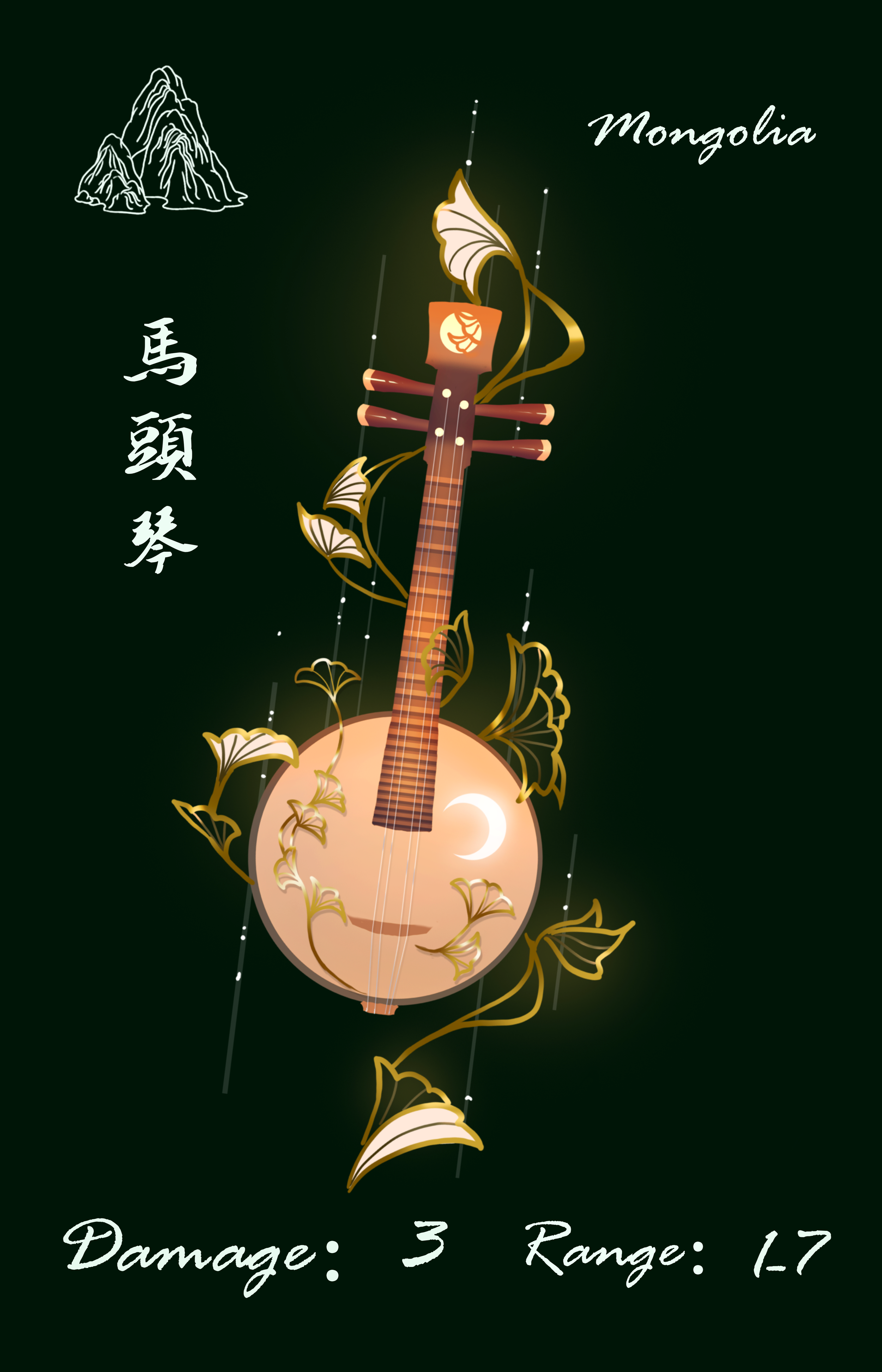
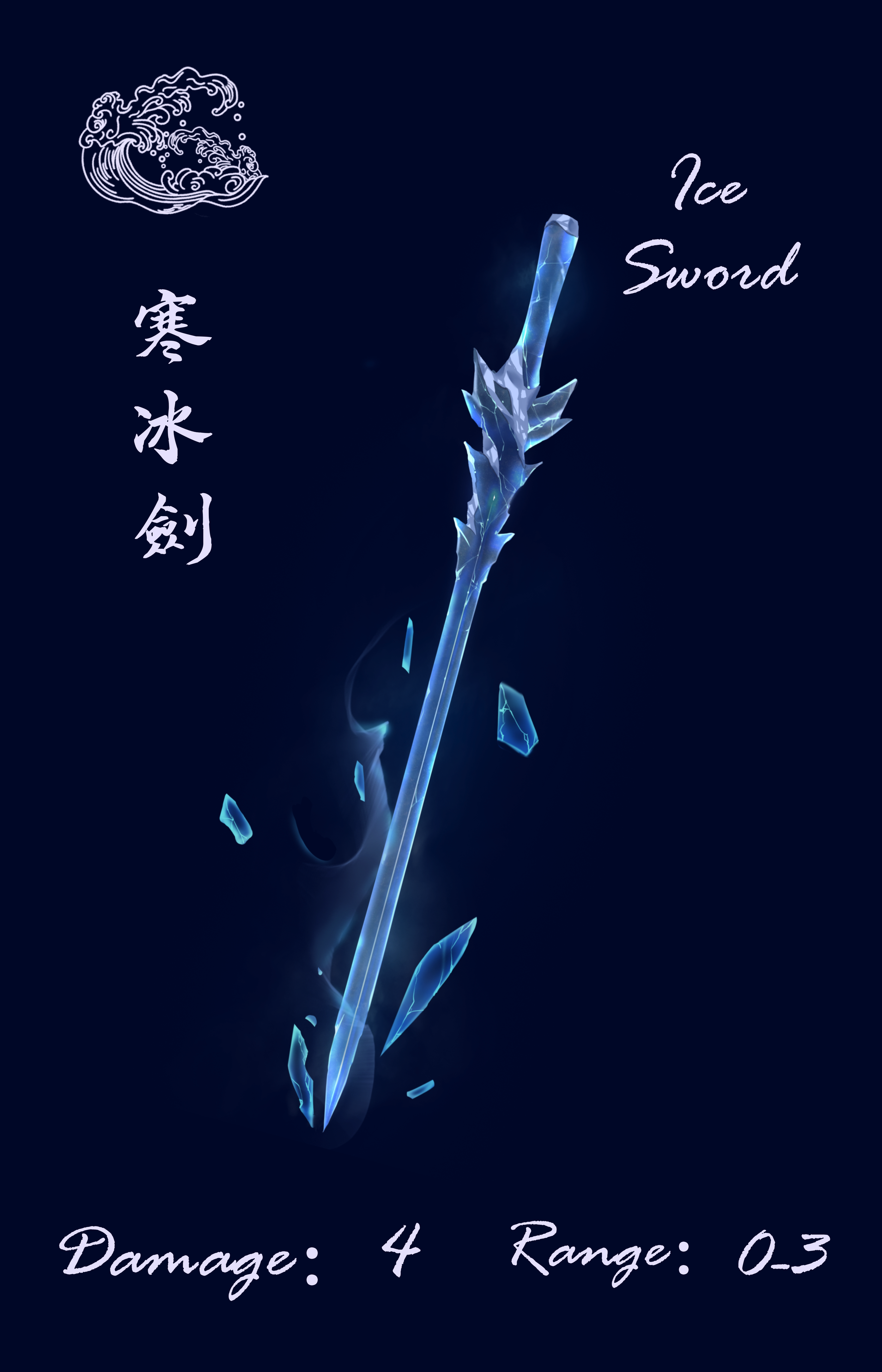
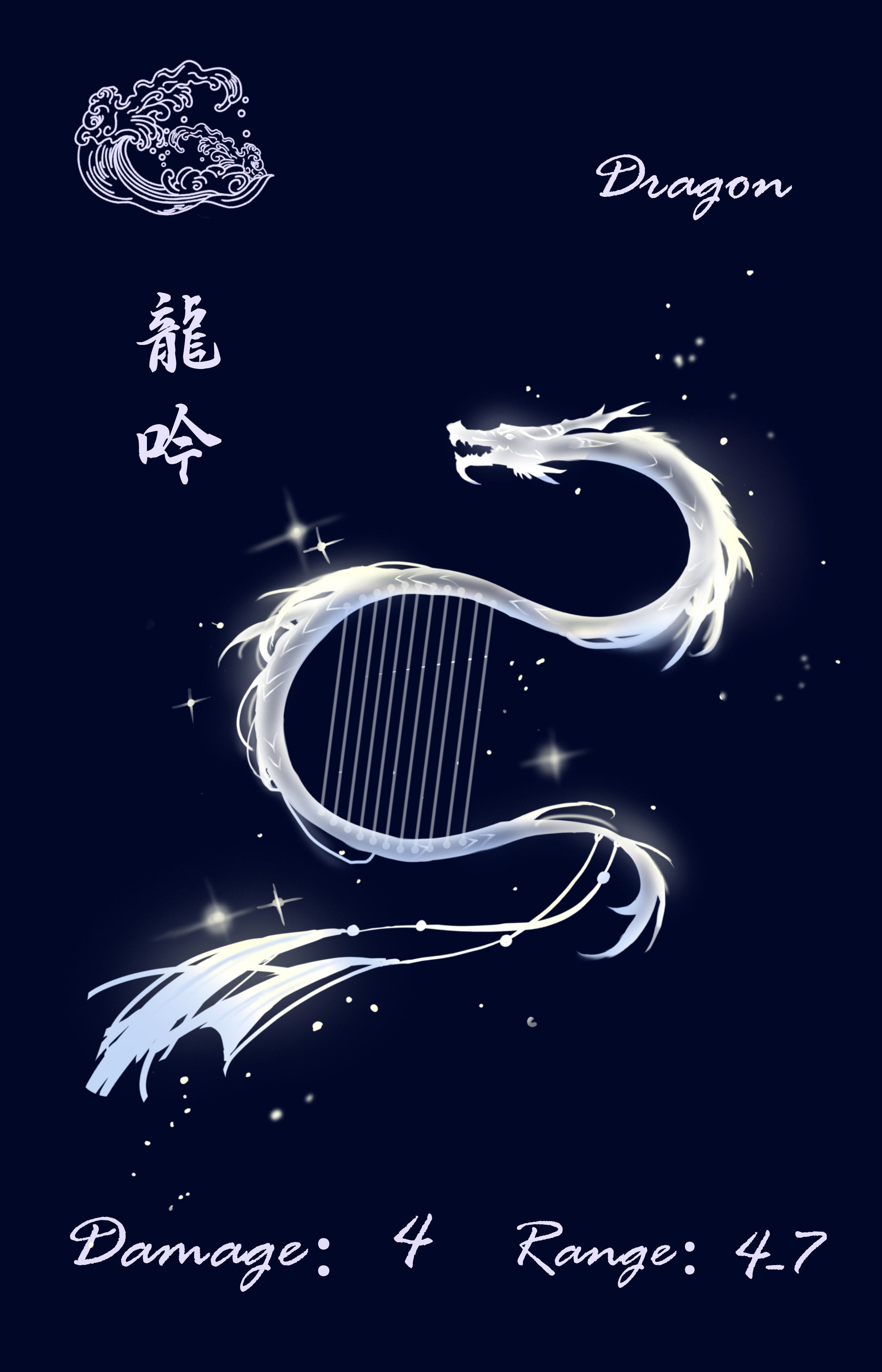
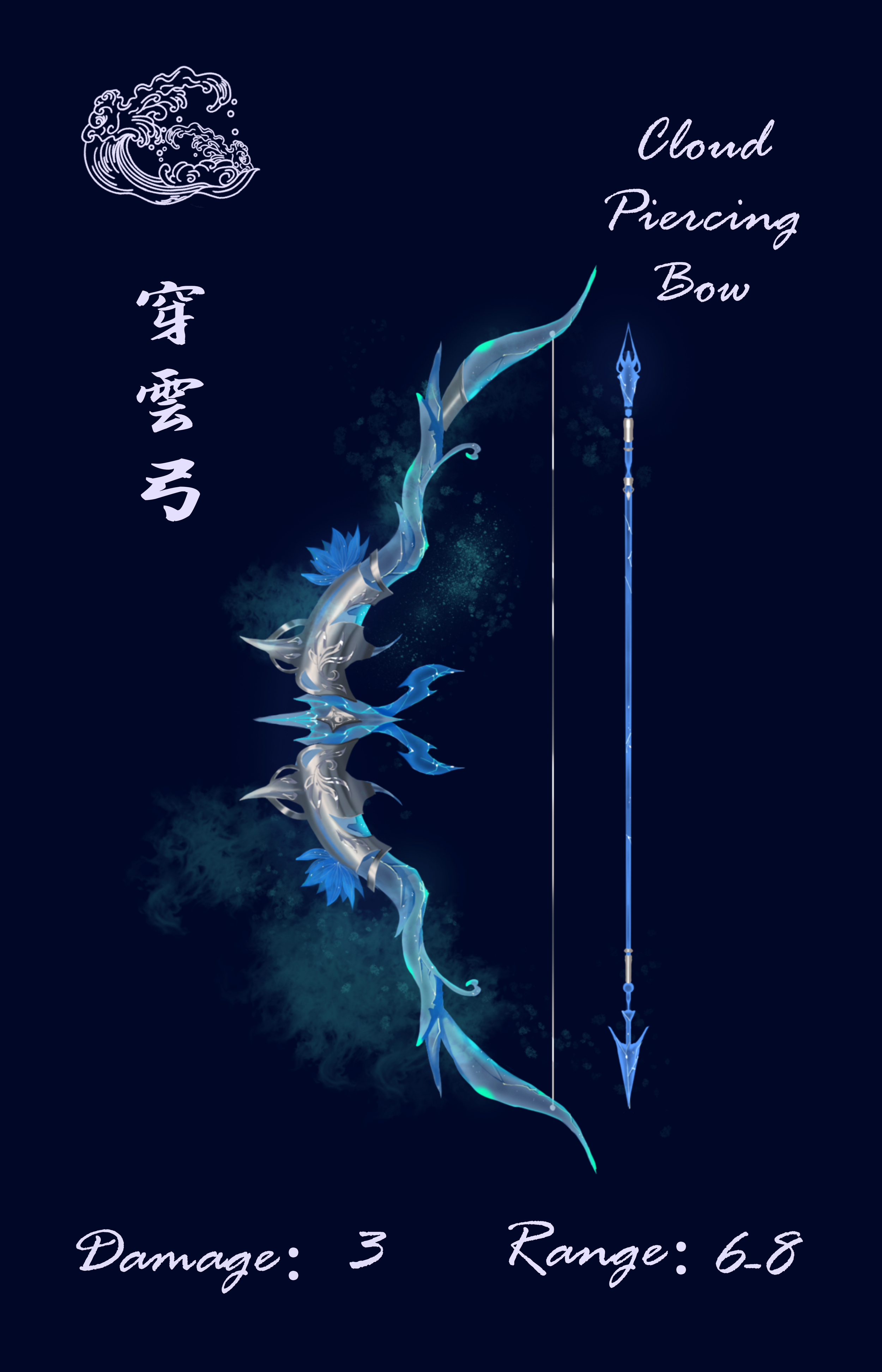
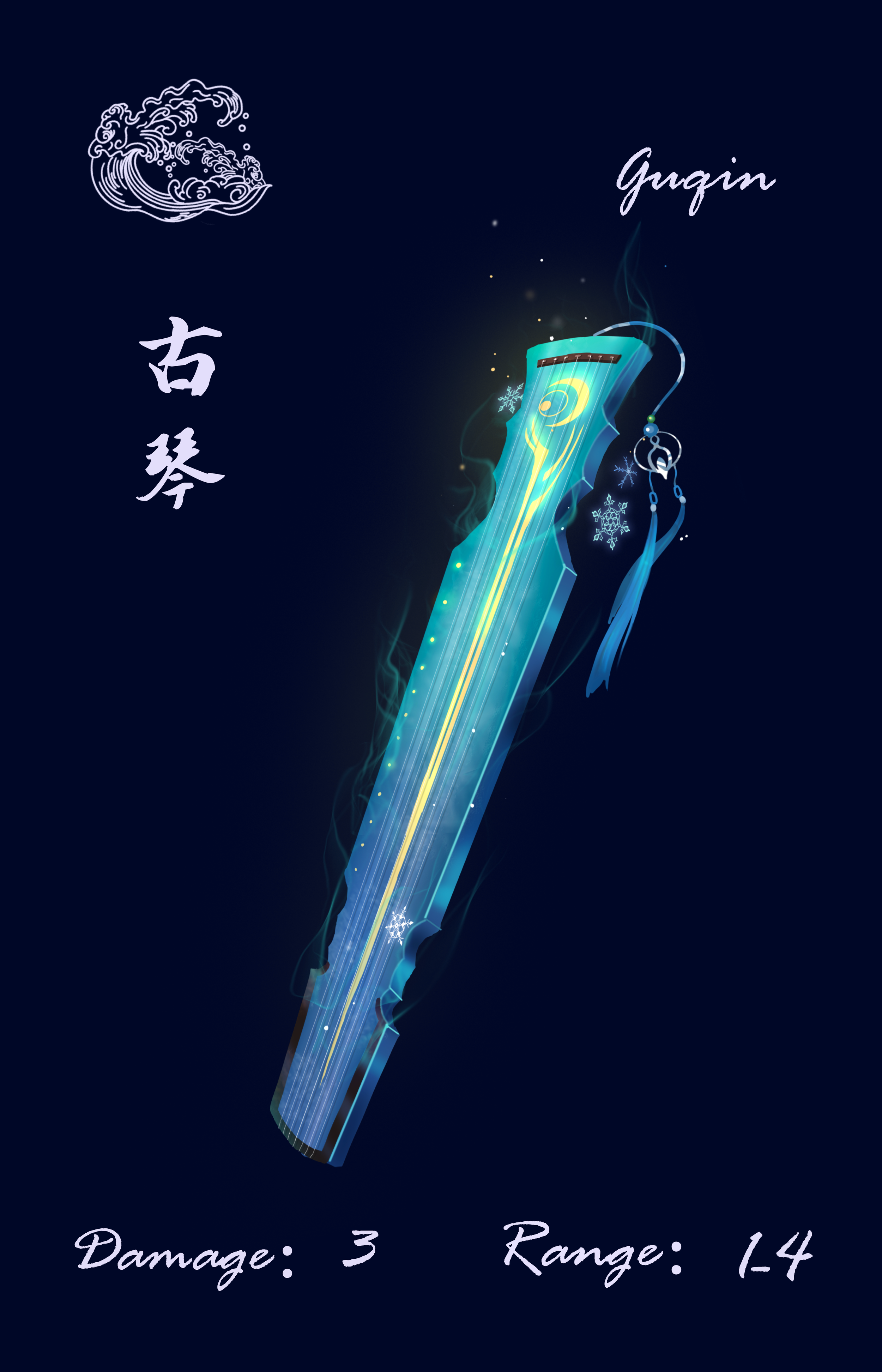
Weapon Card
Each weapon card has a specific attack value and attack range. There are four weapon cards corresponding to each attribute. When a player obtains a weapon card of their own attribute, they can enhance their combat power to a certain extent.
Game Rules
General:
1. 2-4 players
2. The objective is to defeat your opponents by reducing their HP to 0.
2.1 Defeat your opponents using weapons and skills.
3. A player's turn consists of three actions: movement, combat, and the use of one skill. The attack and skill steps can be optional, but movement is mandatory. Movement, attack, and skill steps can be executed in any order, but only one of each per turn.
4. Any cards drawn by a player during the game are placed flat on the table, similar to their character cards, until they are used.
4.1 The exceptions are Game Cards and Chance Cards: Whenever a Game or Chance Card is drawn, it activates immediately, then gets discarded into a separate pile to be shuffled and reused later once no cards of its type are left. There are no hands.
5. When dice are rolled to determine winners, in the event of a tie between players, both players roll again until a winner is determined, just like in rock, paper, scissors.
Set-Up:
1. Each player rolls a dice to determine who picks their character first. The person with the highest number gets to pick first. The player with the second-highest number gets to pick second. And so on, until only one character card is left, which goes to the player who rolled the lowest.
1.1 The player who chose their character card first goes first. Turn order follows counter-clockwise around players from there, regardless of the order of who picked.
2. Each character card has different skills, and players can only activate the skills of the character they pick, so choose carefully!
3. Each player has a token corresponding to their character card's color. They will use this to move around the board.
Challenge and Chance Cards:
1. Challenge (AKA Game) and Chance (AKA Ordinary) Cards are played/activated immediately, and are read aloud for all to hear.
2. Challenge Cards are the mini-games of The Classic of Mountains and Rivers.
2.1 These cards tell people what mini-game is going to be played (staring contest, Rock Paper Scissors, rolling dice, grabbing an object, and spinning an arrow) and what rewards are received for winner and/or loser
3. Chance Cards are random effects applied to players, usually the one who draws the card
Skills:
1. Each character card possesses distinct skills aligned with specific themes. Earth represents HP, Fire signifies Damage, Air enables Movement, and Water pertains to Range/Drawing Cards.
2. Only one skill can be utilized per turn, and your skills can only be activated during your turn.To activate skills, you must expend HP as follows:
Skill 1 costs 1 HP. Skill 2 costs 2 HP.
Skill 3 costs 3 HP. Basic skills are always available free of charge.
3. When your character lands on a tile matching their color/element type, skills cost 1 HP less to use. For instance:
Skill 1 costs 0 HP. Skill 2 costs 1 HP.
Skill 3 costs 2 HP. Basic skills remain free of charge.
Note: Certain skills may state "spend movement/attack." If your movement/attack has already been expended, either by your own actions or an opponent's, you cannot use a skill that would consume your remaining movement/attack.
Combat:
1. Players can only initiate combat when they have a weapon card
1.1 Skills used to take HP from opponents do count as an attack.
2. One weapon card is drawn after landing on a Weapon Card tile
2.1 Players may keep any number of weapons they like
2.2 If there are no weapon cards to be drawn, players draw no weapons
3. A player must be within the range of the weapon being used to attack
4. Only two weapons can be used to attack at a time
4.1 Weapons can be split between two targets, so long as each target is within the range of the weapon being used to attack them
5. After a weapon has been used, it gets discarded to a different pile to be shuffled and used again later once no Weapon Cards are left
6. There is no defense, so the attacked player must take the damage
Movement:
1. Each player rolls one six-sided die to determine their movement, then moves the exact number of spaces on the board.
2. Players can move in any direction except in cases where arrows indicate a specific one-way direction.
3. FINAL SHOWDOWN! When only two players remain on the board, they can roll two dice and combine the numbers to increase their movement. They can use only one of the two numbers if they wish.
Tile Activation:
1. Tiles with Challenge, Weapon, or Chance on them can only be activated by rolling to land on them during your movement step.
1.1 Certain skills can mean that you move twice during a turn, but you don't pick up benefits from both tiles.
2. Tile players start their turn, and cannot give Challenge, Chance, or Weapon Cards
2.1 However, tiles with matching colors/element types to the player still apply the HP discount for skills!
Physical Play Card